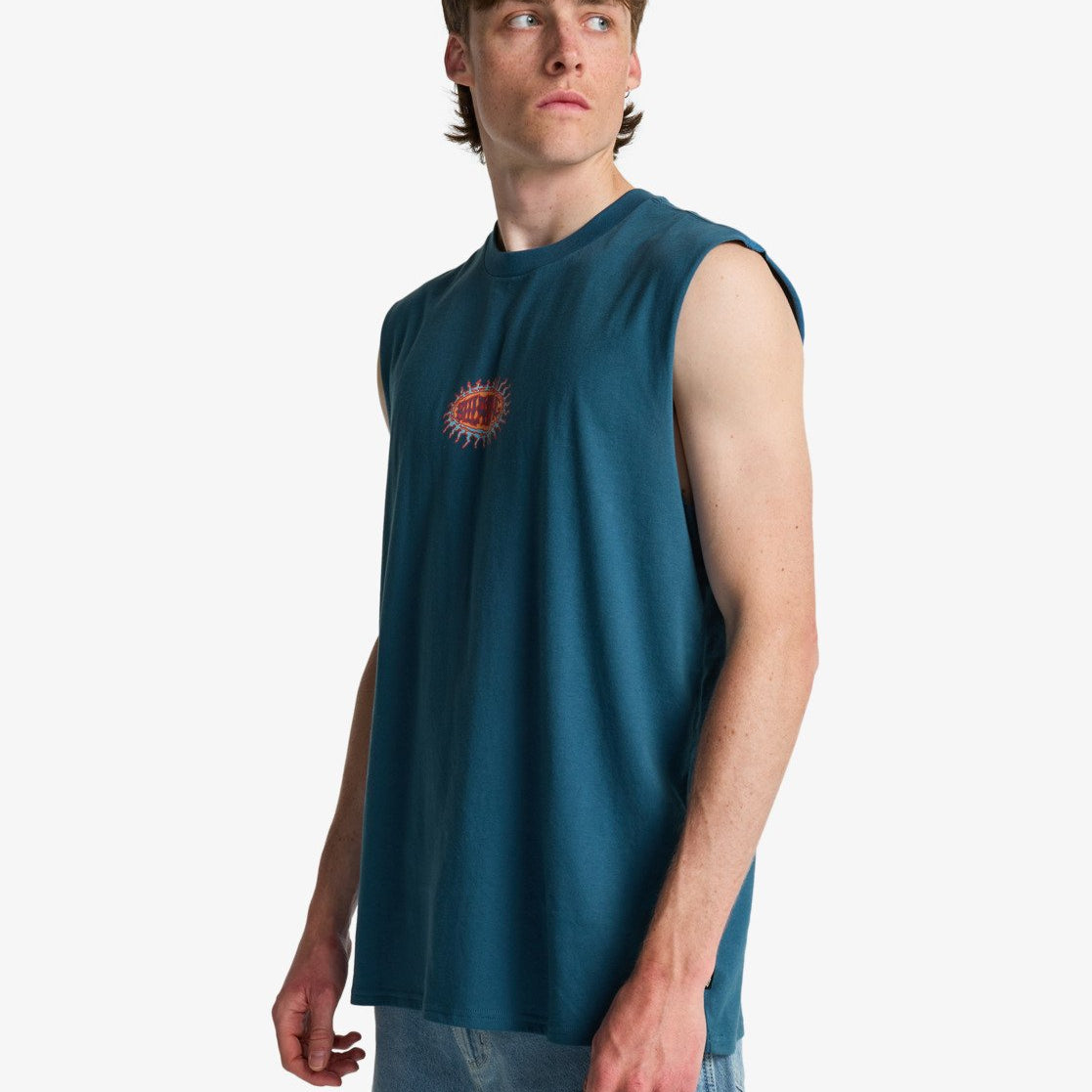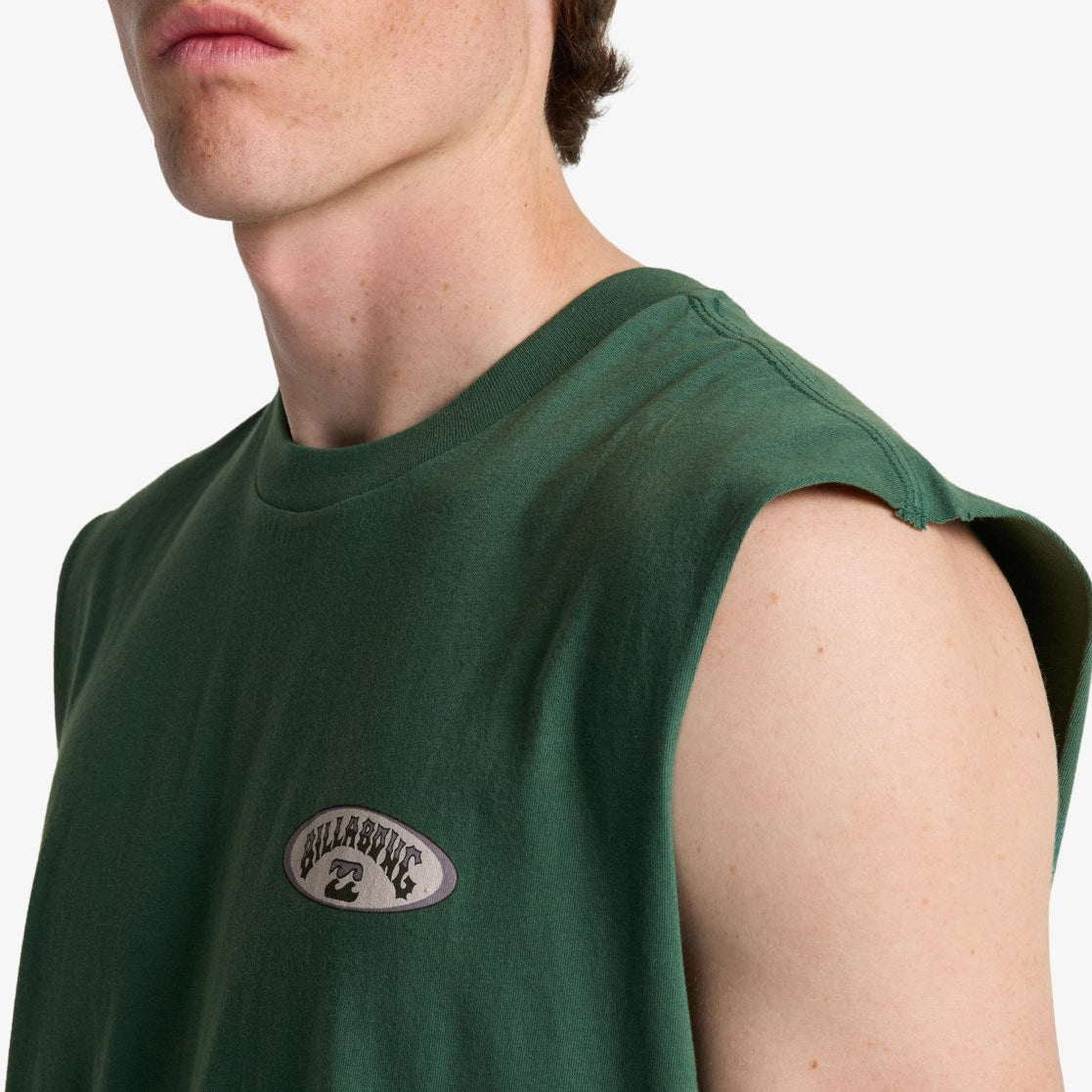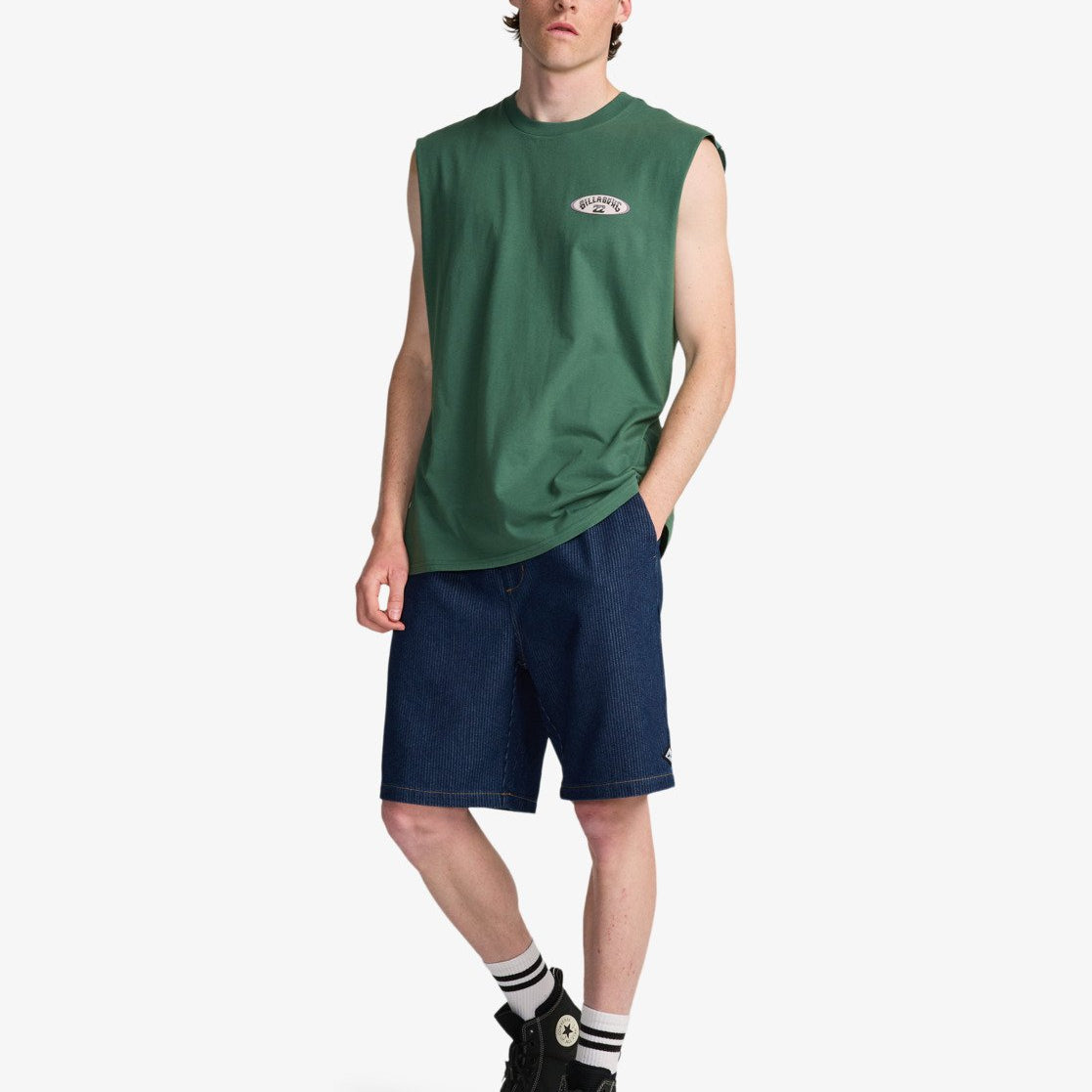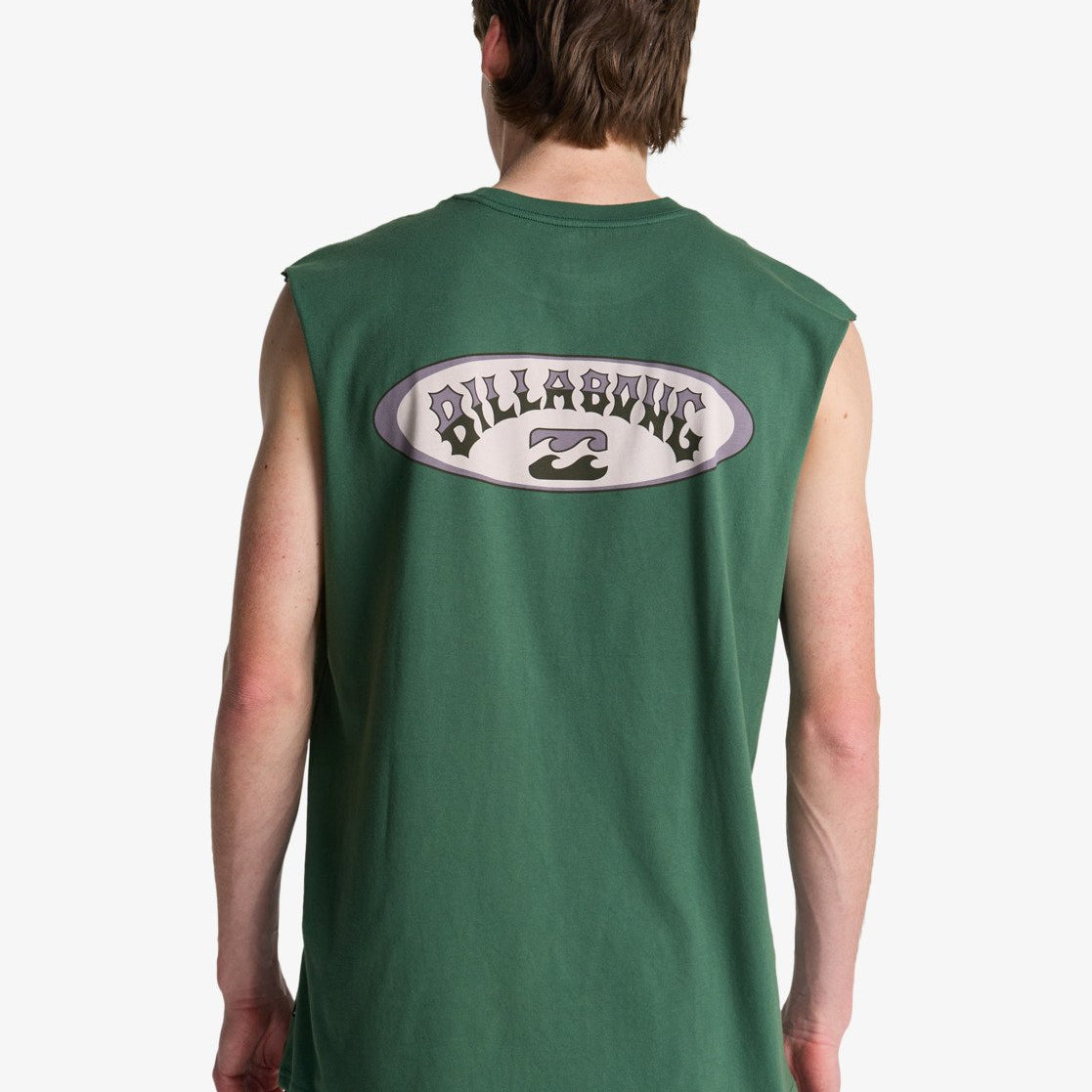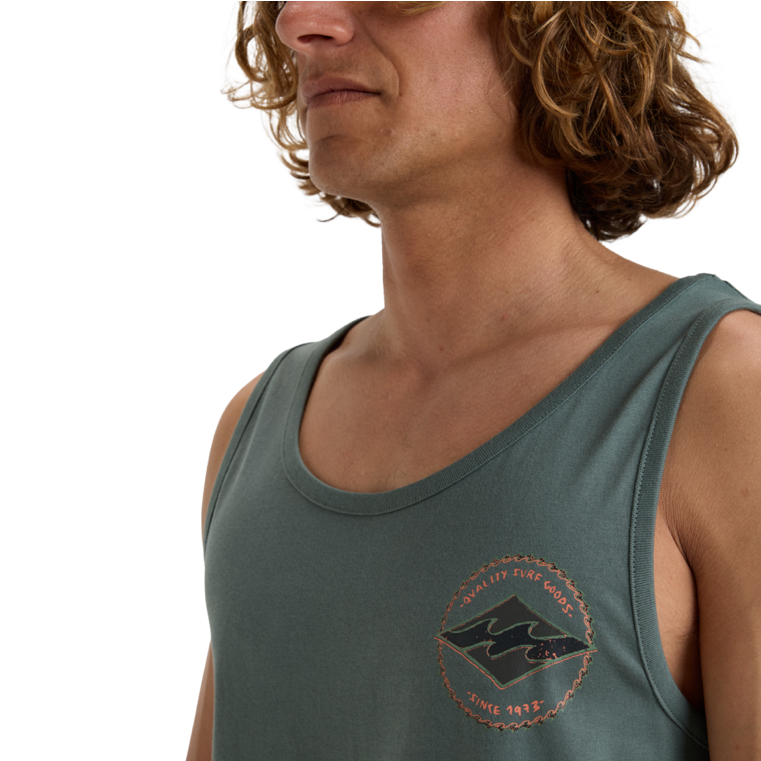

Cómo reconocer una camiseta de calidad antes de comprarla
Comprar una camiseta parece una decisión sencilla. Sin embargo, basta con utilizarla varias veces para descubrir que no todas ofrecen la misma experiencia. Algunas mantienen su forma, conservan el color y siguen resultando cómodas verano tras verano. Otras, en cambio, pierden su aspecto original después de pocos lavados.
La diferencia no siempre está en el precio.
Tampoco en la marca.
En la mayoría de los casos está en la calidad de los materiales, la forma de fabricar la prenda y una serie de detalles que muchas personas pasan por alto al comprar.
Aprender a reconocer una camiseta de calidad es una de las mejores inversiones que puedes hacer para tu armario. No solo disfrutarás de una prenda más cómoda, sino que también ahorrarás dinero a largo plazo al evitar reemplazarla continuamente.
En esta guía descubrirás en qué debes fijarte antes de comprar una camiseta y cómo diferenciar una prenda realmente bien fabricada de otra que solo lo parece.
¿Por qué unas camisetas duran años y otras apenas unos meses?
Seguramente te ha ocurrido alguna vez.
Compras dos camisetas aparentemente muy parecidas.
Las dos tienen un diseño atractivo.
Las dos parecen suaves al tacto.
Incluso su precio puede ser similar.
Sin embargo, unos meses después una sigue prácticamente como nueva mientras la otra ha perdido color, ha encogido, se ha deformado o presenta el cuello completamente vencido.
Esto ocurre porque la calidad de una camiseta depende de muchos factores que no siempre son visibles a primera vista.
La fibra utilizada, el gramaje, la confección, el tipo de costuras y los procesos de acabado influyen mucho más de lo que la mayoría imagina.
El tejido es el primer indicador de calidad
El aspecto más importante de cualquier camiseta es el tejido.
Es el responsable de la comodidad, la transpirabilidad, la resistencia y la durabilidad.
Los materiales más habituales son:
-
Algodón.
-
Algodón orgánico.
-
Algodón peinado.
-
Algodón cardado.
-
Mezclas con elastano.
-
Mezclas con poliéster técnico.
No todos ofrecen el mismo resultado.
Un algodón de buena calidad suele proporcionar un tacto más suave, una mejor resistencia y una mayor estabilidad después de los lavados.
Algodón peinado frente a algodón convencional
Uno de los términos que aparecen con frecuencia es "algodón peinado".
¿Significa realmente algo?
Sí.
Durante el proceso de peinado se eliminan las fibras más cortas e irregulares.
El resultado es un hilo mucho más uniforme.
Eso aporta varias ventajas:
-
Mayor suavidad.
-
Menor aparición de bolitas.
-
Más resistencia.
-
Mejor aspecto con el paso del tiempo.
Es una característica muy habitual en camisetas de gama media y alta.
El gramaje también dice mucho
El gramaje indica el peso del tejido por metro cuadrado.
Aunque no determina por sí solo la calidad, sí ofrece información muy útil.
De forma orientativa:
-
Menos de 140 g/m²: camisetas muy ligeras.
-
Entre 150 y 180 g/m²: equilibrio ideal para verano.
-
Entre 180 y 220 g/m²: mayor resistencia y cuerpo.
-
Más de 220 g/m²: aspecto más robusto.
Lo importante no es elegir siempre el mayor gramaje.
Una camiseta demasiado gruesa puede resultar menos cómoda en climas cálidos.
El equilibrio suele encontrarse entre ligereza, resistencia y transpirabilidad.
Observa el cuello con atención
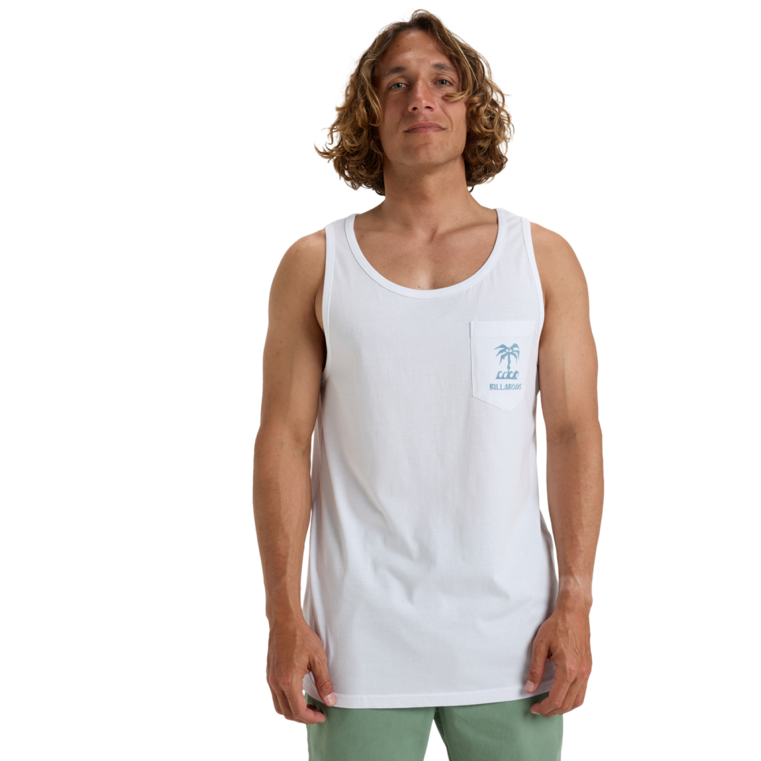
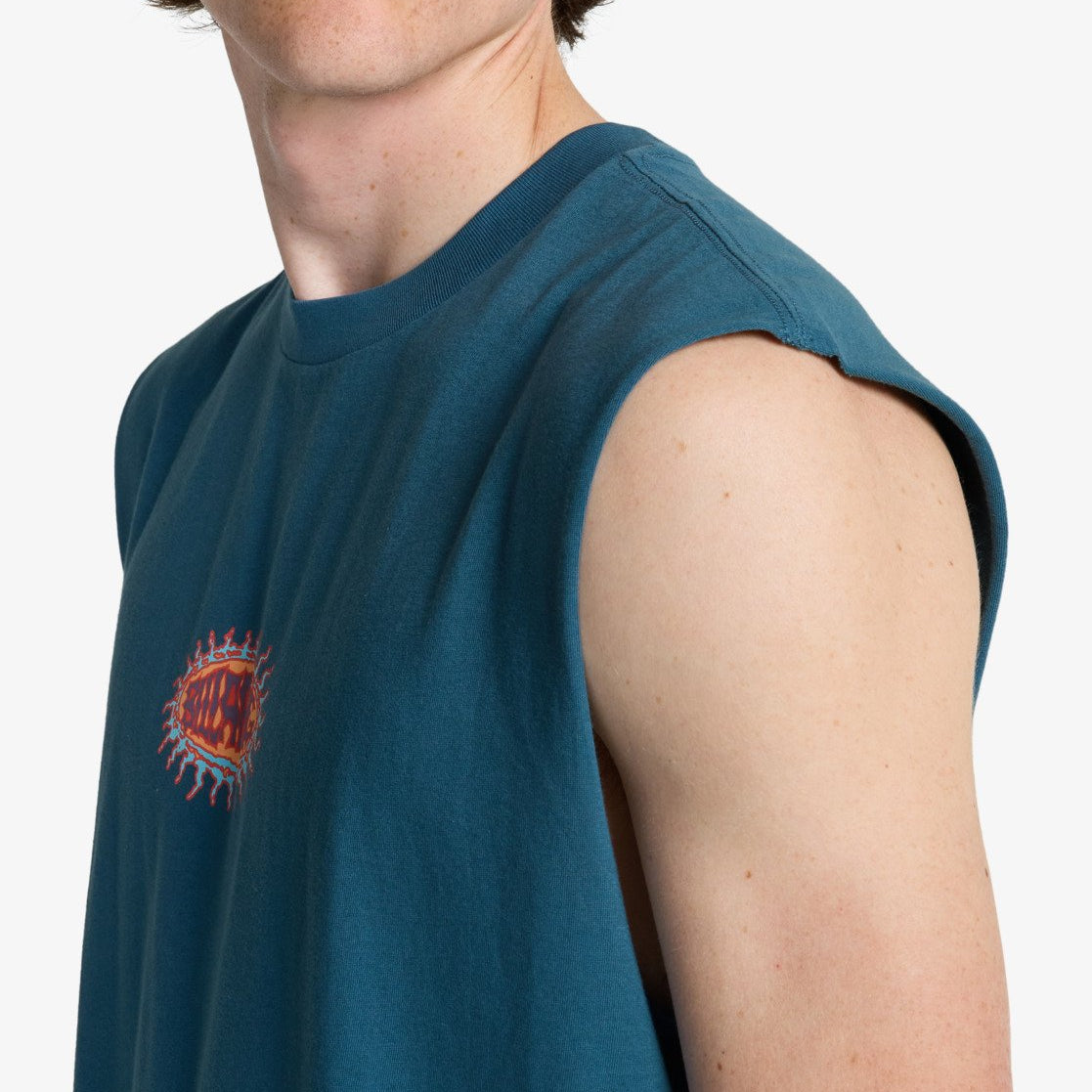
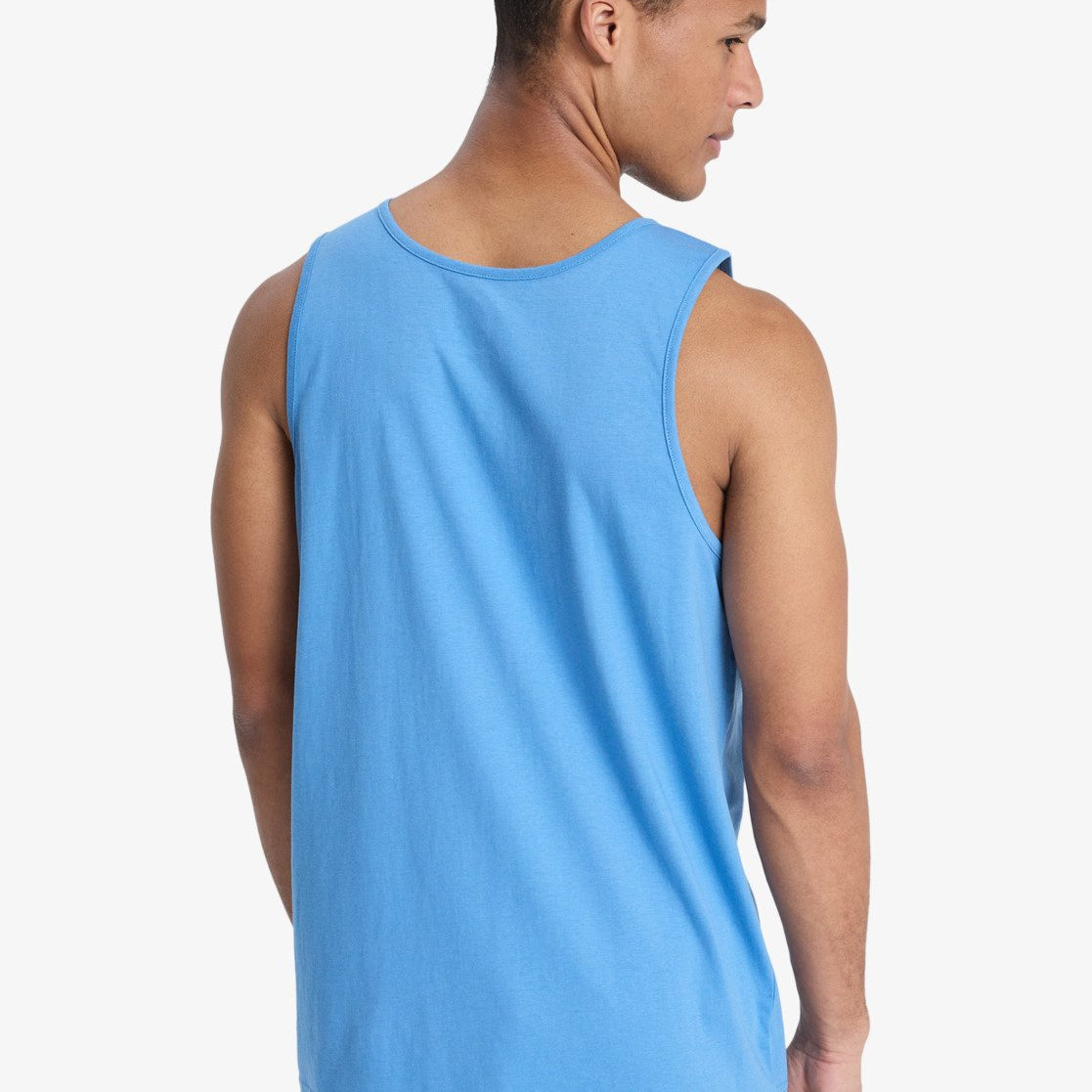
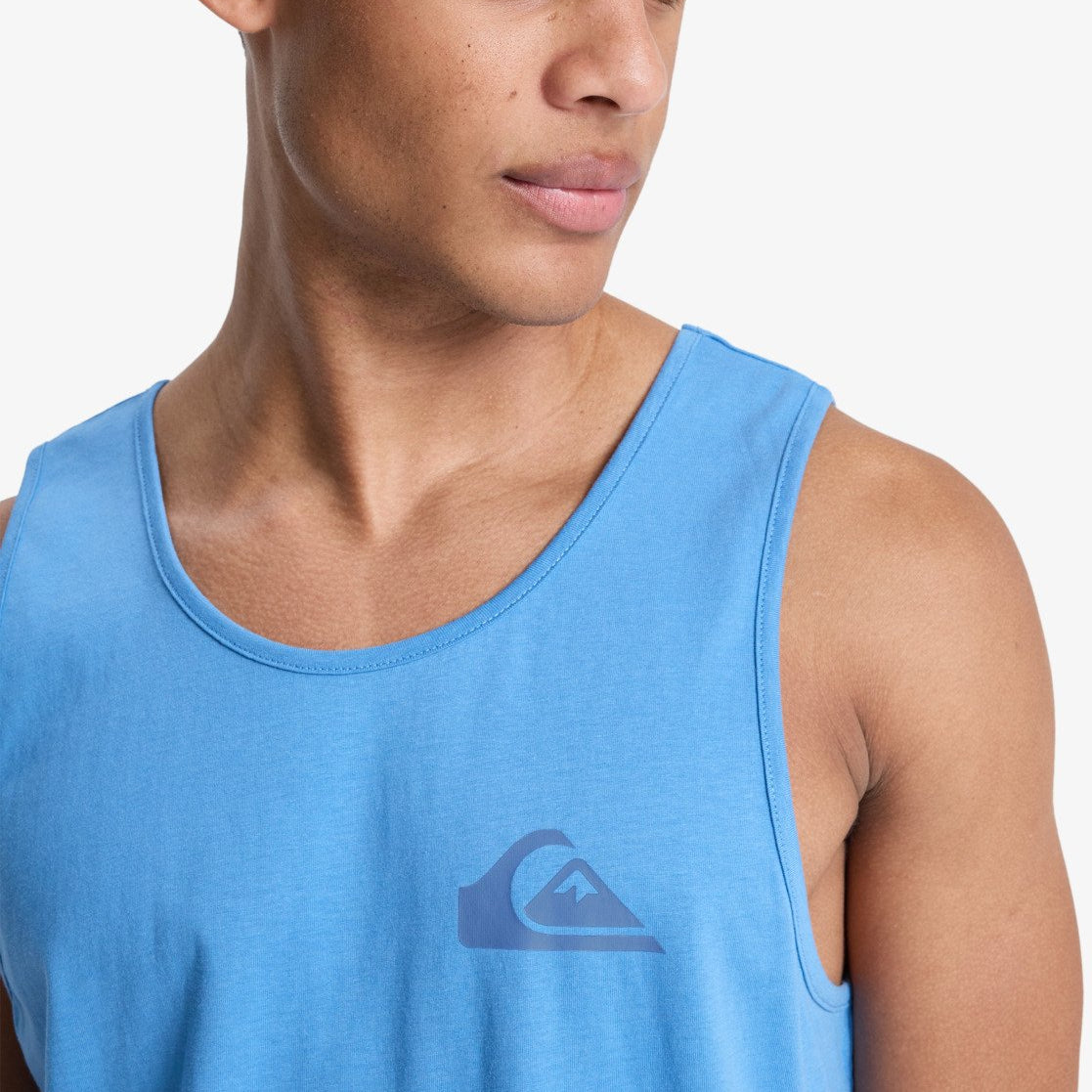
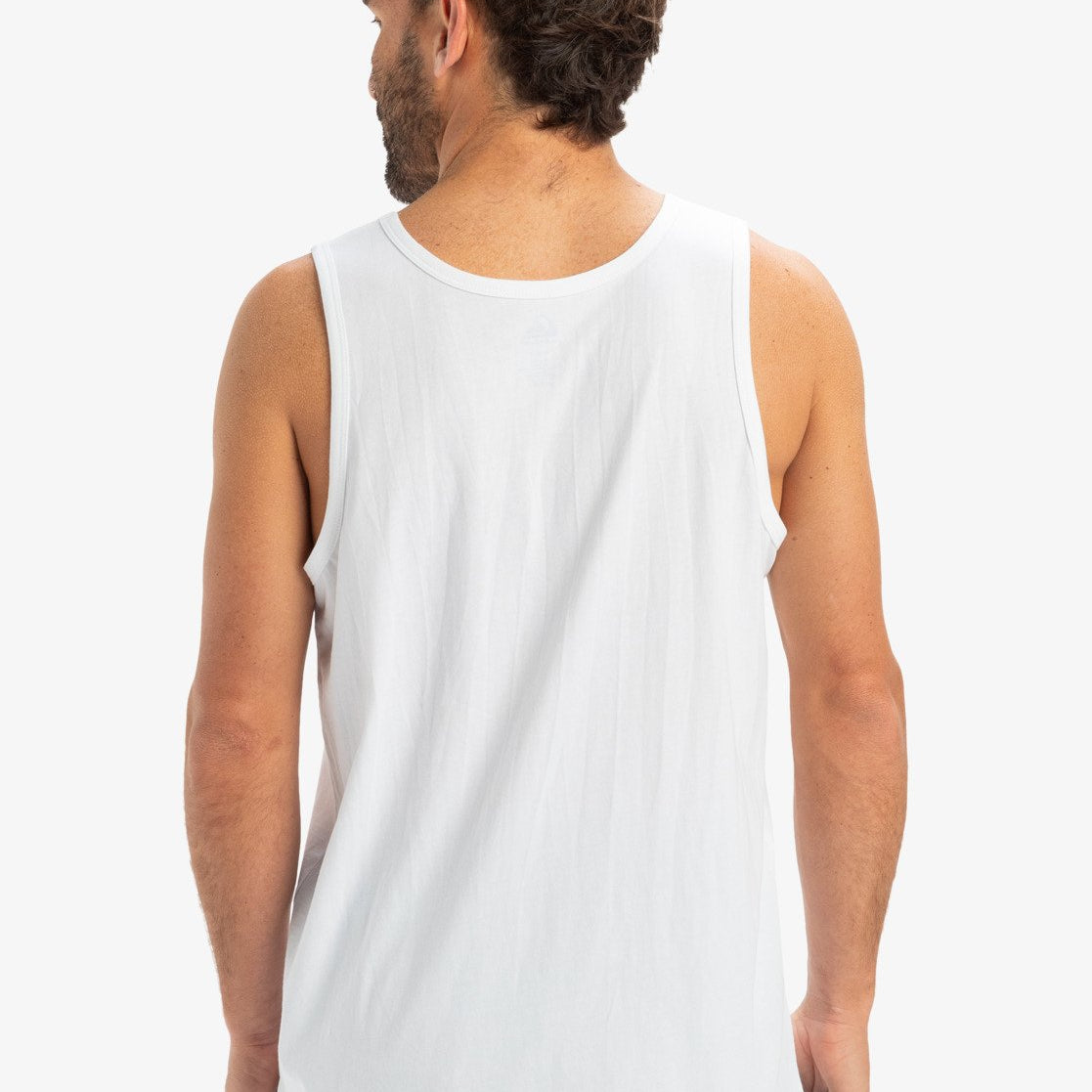
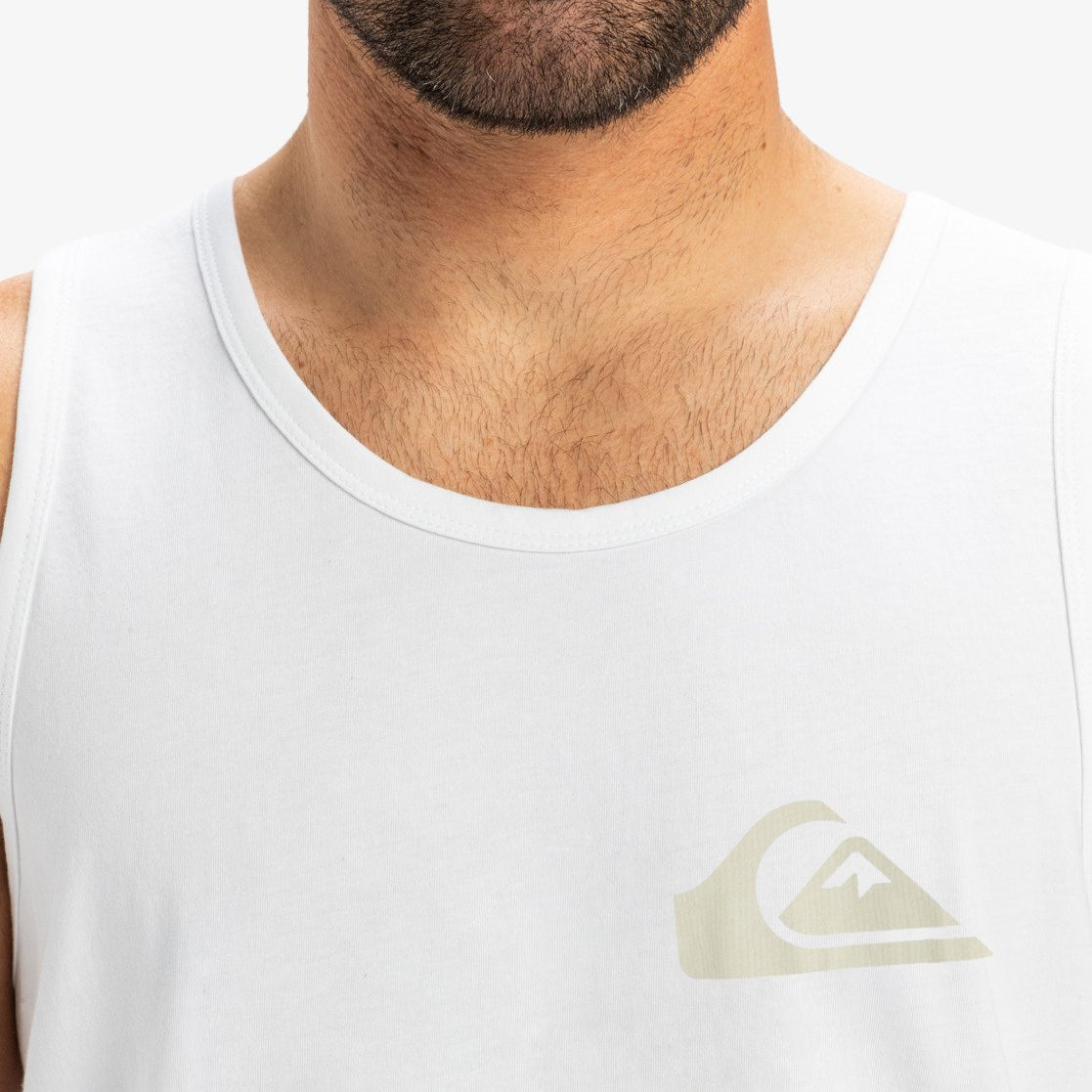
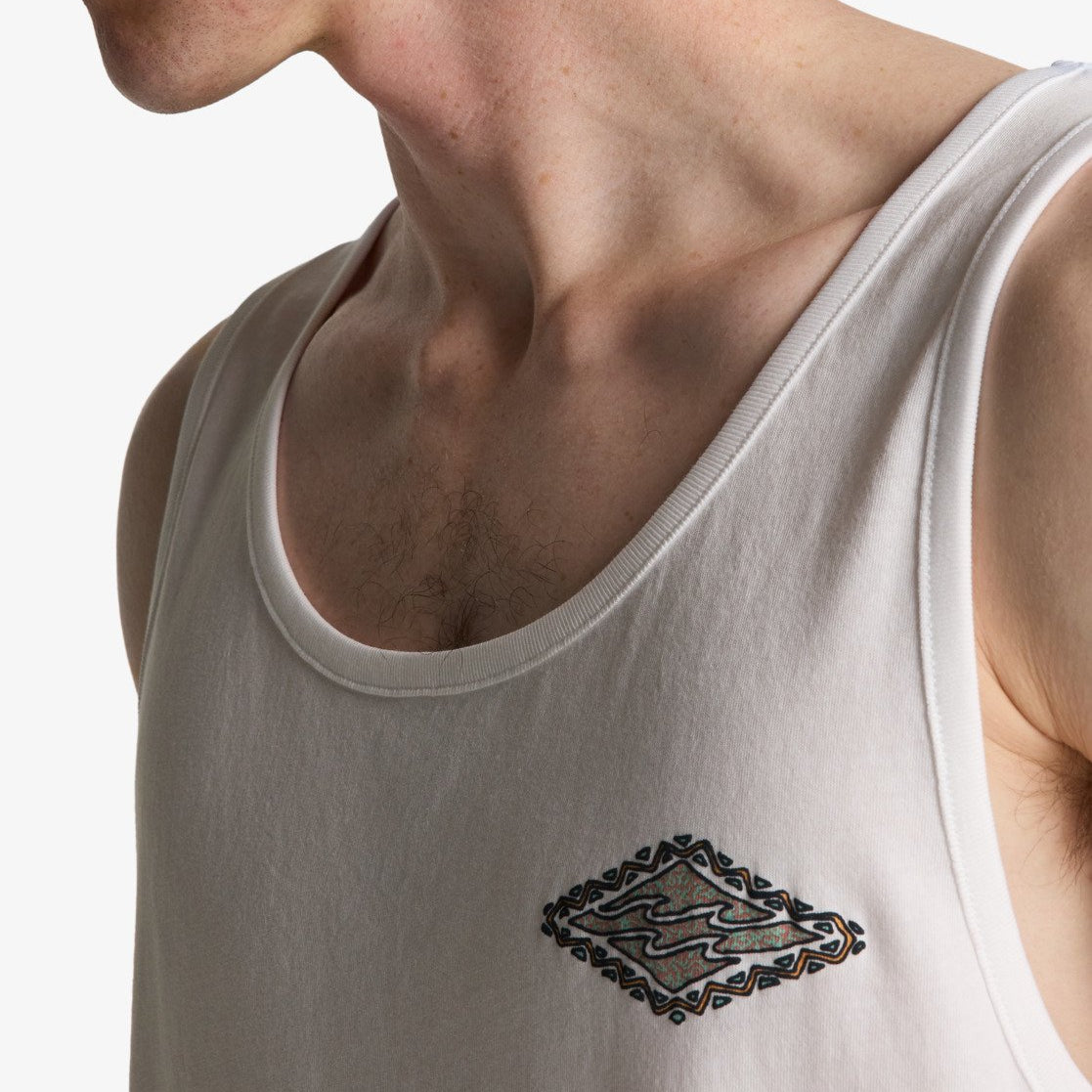
El cuello es una de las zonas que antes revela la calidad de una camiseta.
Un cuello bien confeccionado debe:
-
Recuperar fácilmente su forma.
-
Mantener la elasticidad.
-
Permanecer plano.
-
No ondularse después del lavado.
Cuando el cuello pierde firmeza en pocas semanas suele indicar una construcción de menor calidad.
Las costuras hablan por sí solas
Muchas personas nunca observan las costuras antes de comprar una camiseta.
Sin embargo, son uno de los mejores indicadores.
Una prenda bien confeccionada presenta:
-
Costuras rectas.
-
Puntadas uniformes.
-
Remates limpios.
-
Ausencia de hilos sueltos.
-
Refuerzos en hombros y cuello cuando corresponde.
Estos pequeños detalles influyen directamente en la durabilidad.
La caída del tejido marca la diferencia
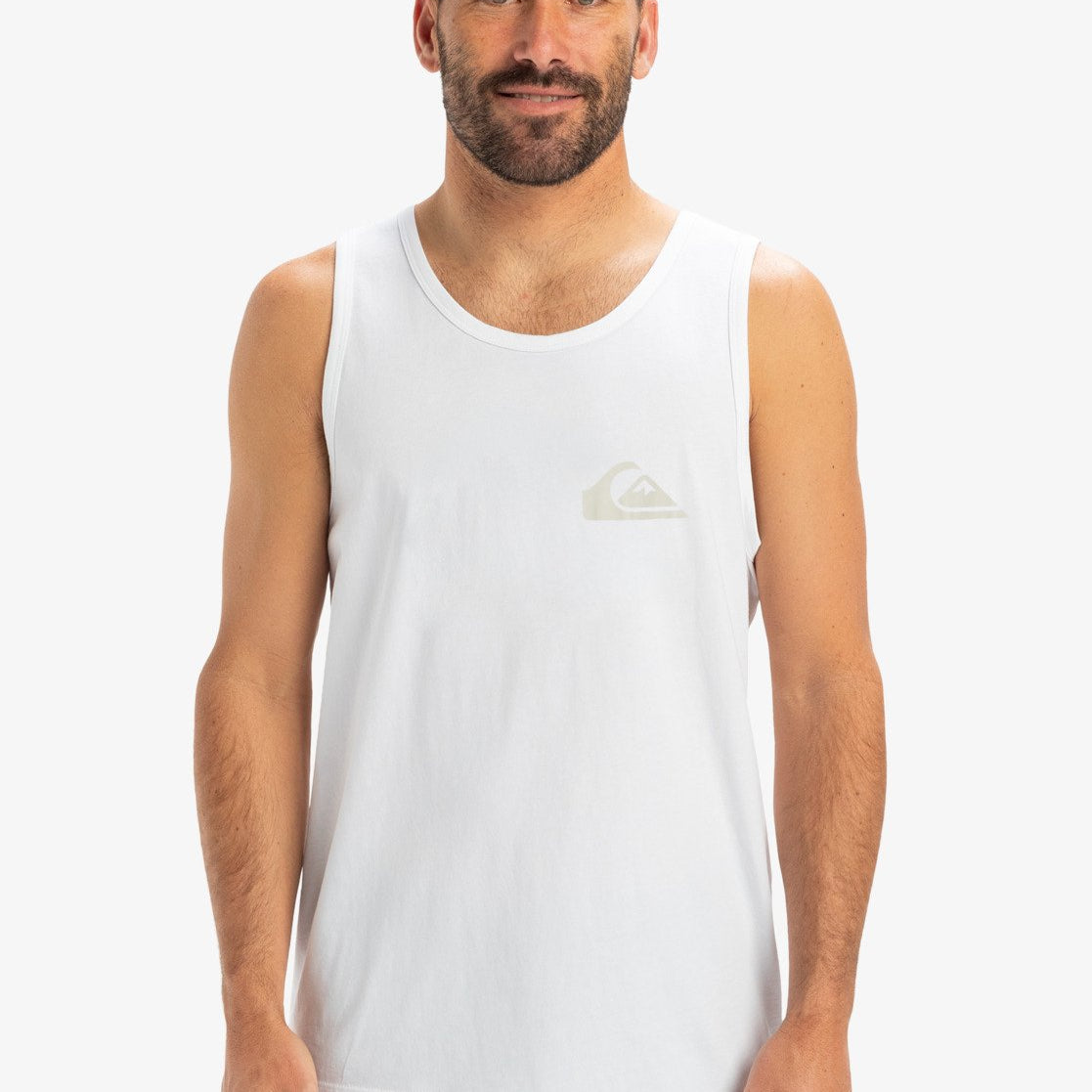
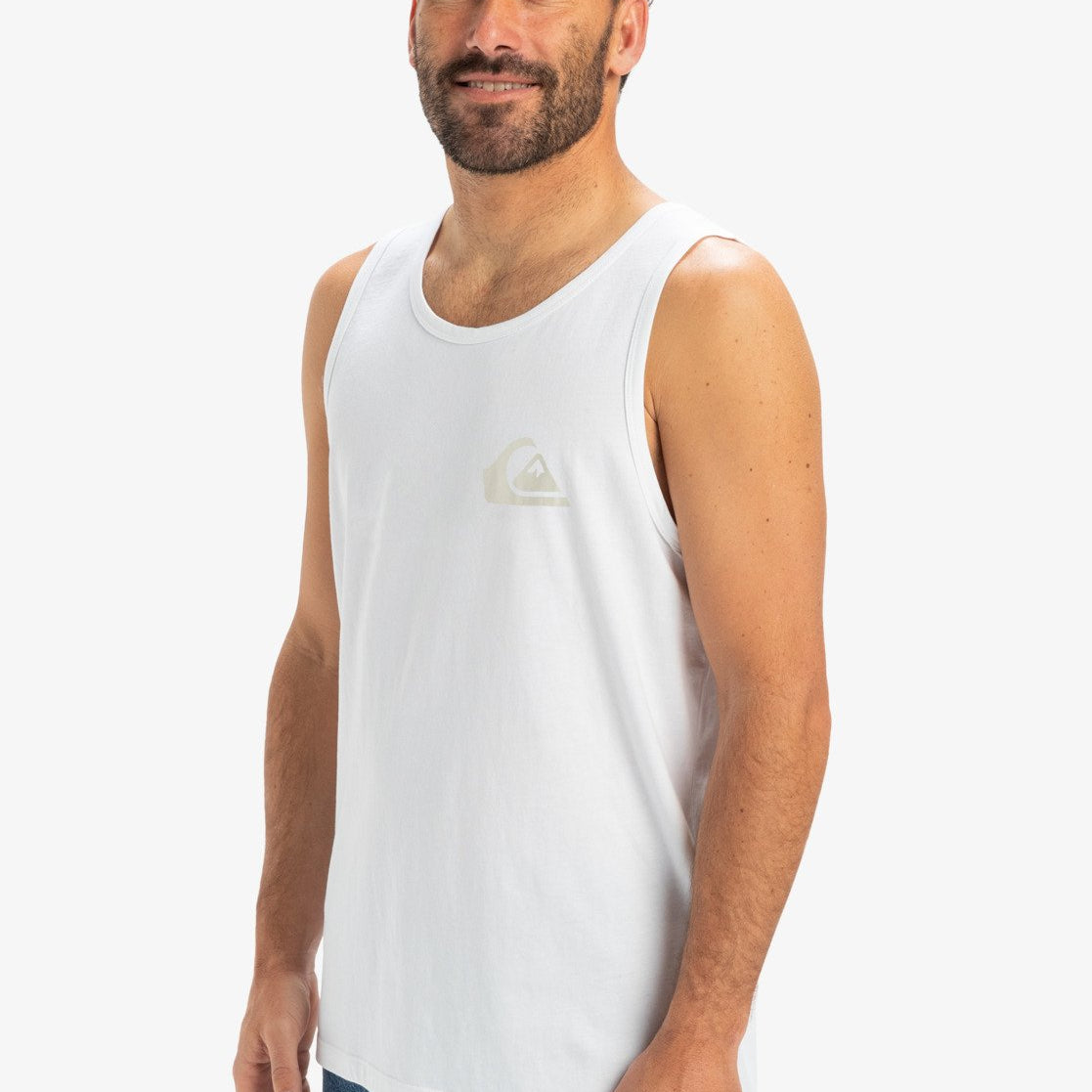
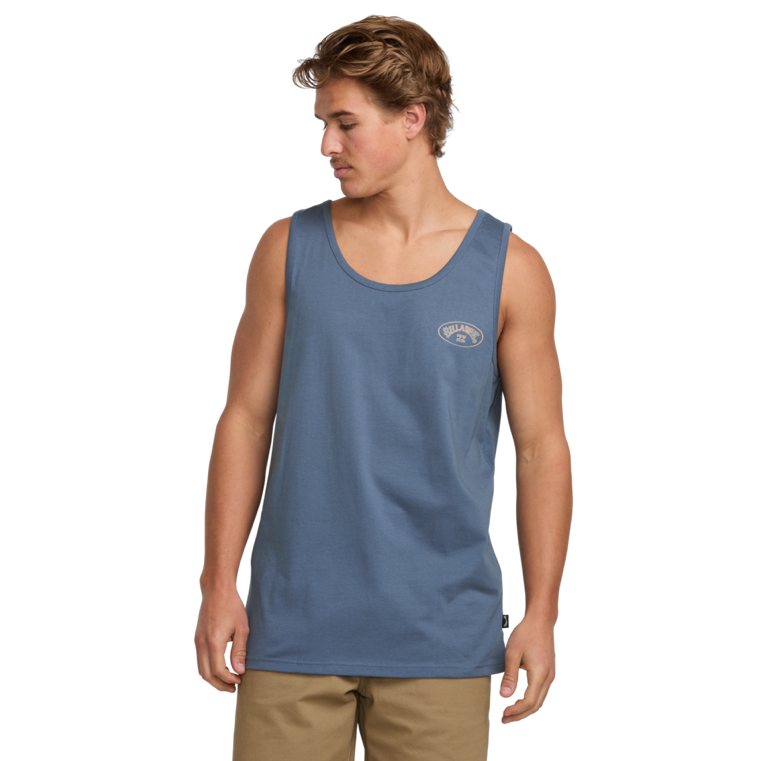
Una camiseta de calidad no solo debe verse bien colgada en una percha.
Debe sentar bien cuando la llevas puesta.
El tejido debe caer de forma natural sobre el cuerpo sin crear pliegues extraños ni deformaciones.
Esa sensación de que una camiseta "viste mejor" suele deberse precisamente a la calidad del patrón y del tejido.
El tacto puede engañar
Una camiseta extremadamente suave en la tienda no siempre será la mejor.
Algunos tratamientos consiguen una suavidad inicial muy agradable que desaparece después de pocos lavados.
En cambio, los tejidos de mayor calidad mantienen prácticamente las mismas sensaciones durante mucho más tiempo.
Por eso conviene fijarse en el conjunto de la prenda y no únicamente en el tacto del primer momento.
El color también ofrece pistas
Las camisetas bien fabricadas mantienen la intensidad del color durante muchos más lavados.
Además, el teñido suele ser mucho más uniforme.
Si observas diferencias de tono, zonas apagadas o pequeñas irregularidades, es posible que el proceso de fabricación no haya sido el más cuidado.
Una buena camiseta debe resultar cómoda todo el día
Más allá del diseño, la verdadera calidad aparece cuando llevas varias horas utilizando la prenda.
Una buena camiseta debe:
-
Permitir que la piel respire.
-
No resultar pesada.
-
Mantener su forma.
-
No producir roces incómodos.
-
Adaptarse al movimiento del cuerpo.
Son detalles que marcan una enorme diferencia durante el verano o en viajes largos.
La calidad también se aprecia después del primer lavado
Hay un momento decisivo para cualquier camiseta.
El primer lavado.
Es entonces cuando muchas prendas muestran sus verdaderas diferencias.
Las camisetas bien fabricadas mantienen:
-
El tamaño.
-
La forma.
-
El color.
-
La suavidad.
-
La estructura del cuello.
-
La estabilidad de las costuras.
Cuando una camiseta supera correctamente ese primer lavado, normalmente seguirá ofreciendo un buen rendimiento durante mucho tiempo.
Los detalles que diferencian una camiseta premium de una básica
A simple vista muchas camisetas parecen prácticamente iguales.
Sin embargo, basta con utilizarlas durante unas semanas para empezar a notar diferencias importantes.
Una camiseta premium no solo busca verse bien el primer día.
Está diseñada para mantener su aspecto, su comodidad y su forma durante mucho más tiempo.
La diferencia suele encontrarse en pequeños detalles que pasan desapercibidos para la mayoría de compradores.

Un buen patrón vale tanto como un buen tejido
Muchas personas piensan que la calidad depende únicamente del algodón.
No es así.
El patrón influye enormemente en cómo sienta una camiseta.
Un buen patrón consigue que:
-
Los hombros caigan correctamente.
-
Las mangas tengan la longitud adecuada.
-
El cuello mantenga el equilibrio visual.
-
El cuerpo de la camiseta no haga bolsas.
-
La prenda resulte cómoda tanto de pie como sentado.
Dos camisetas con el mismo tejido pueden ofrecer sensaciones completamente distintas simplemente por la forma en la que han sido diseñadas.
El cuello suele ser la primera zona que envejece
Si quieres comprobar rápidamente la calidad de una camiseta, observa el cuello.
Es una de las zonas que más tensión soporta.
Cada vez que nos la ponemos.
Cada vez que nos la quitamos.
Cada vez que la lavamos.
Las camisetas mejor fabricadas utilizan cuellos reforzados que mantienen la elasticidad durante mucho más tiempo.
Por eso siguen pareciendo nuevas incluso después de numerosos lavados.

Las costuras interiores también importan
Las costuras no solo determinan la resistencia.
También influyen en la comodidad.
Cuando una camiseta está bien confeccionada:
-
No aparecen rozaduras.
-
No existen hilos sueltos.
-
Las uniones permanecen planas.
-
El tejido trabaja de forma uniforme.
Son pequeños detalles que muchas veces solo apreciamos después de varias horas de uso.
¿Qué ocurre con las camisetas estampadas?
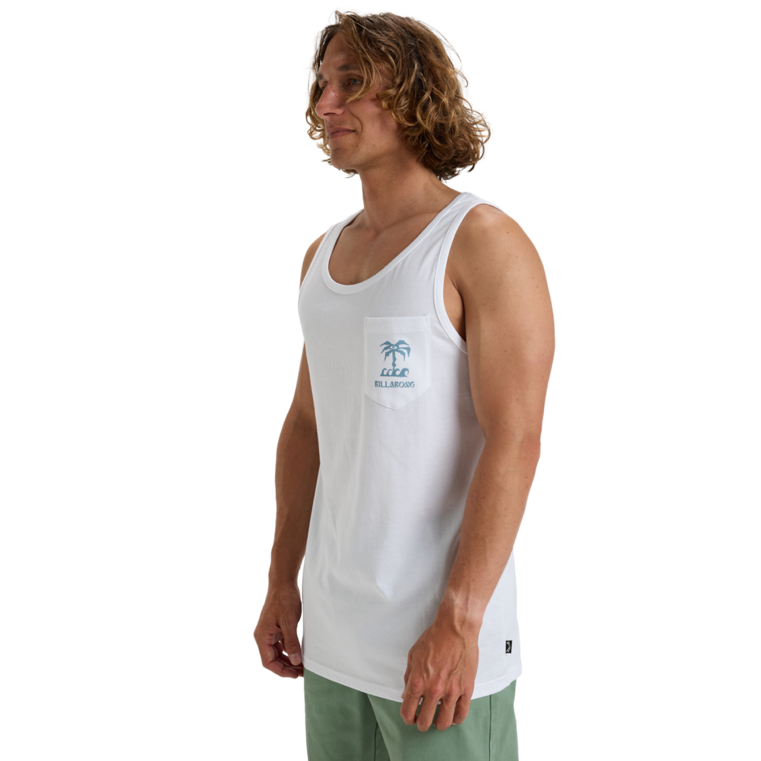
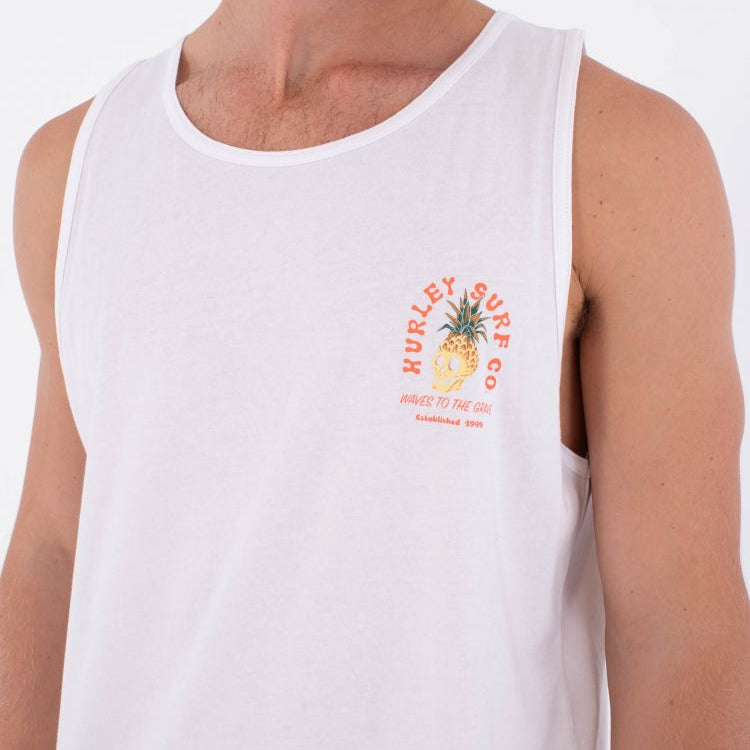
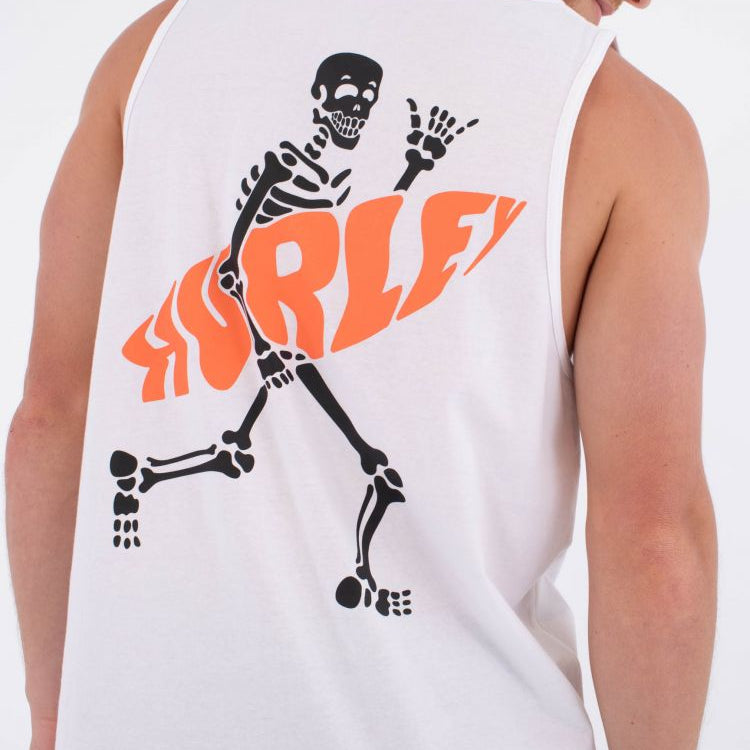
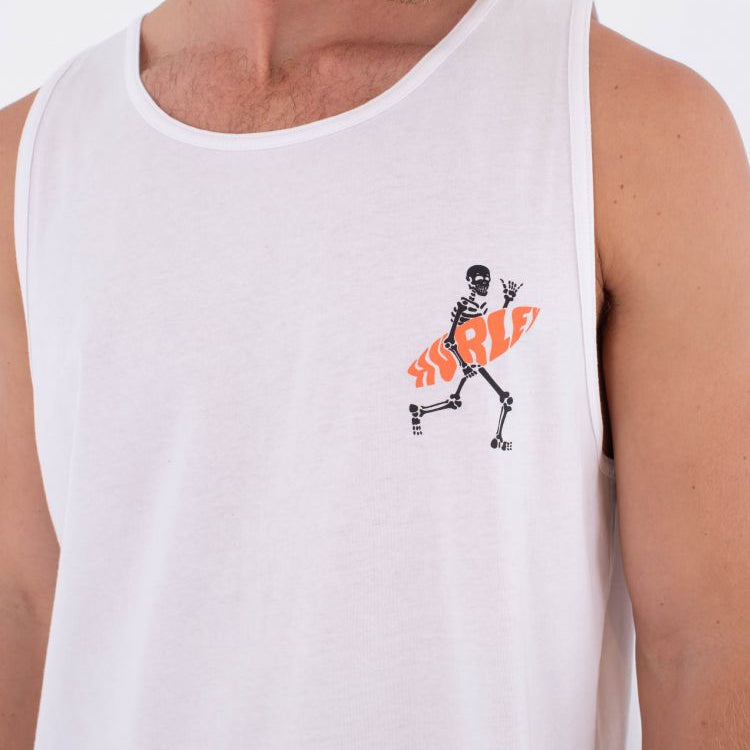
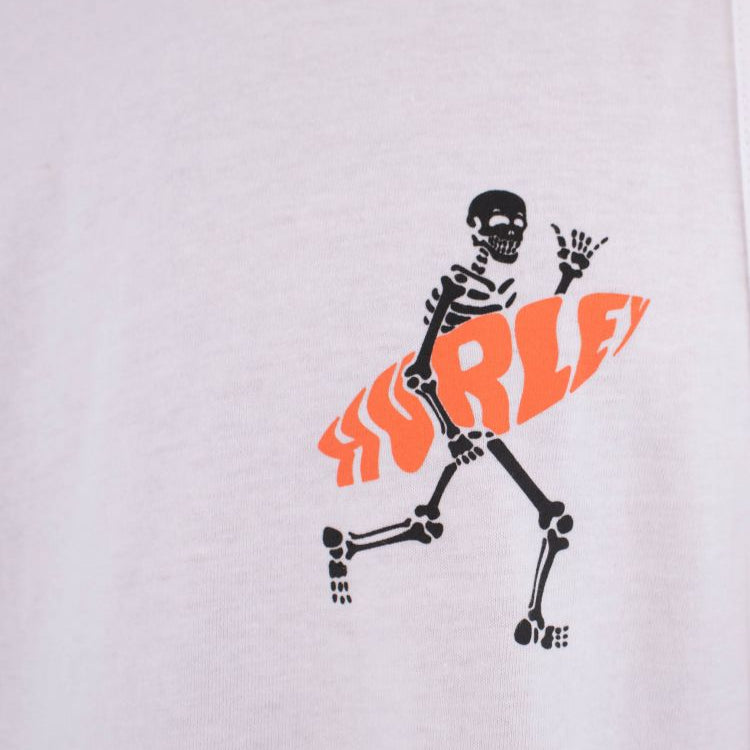
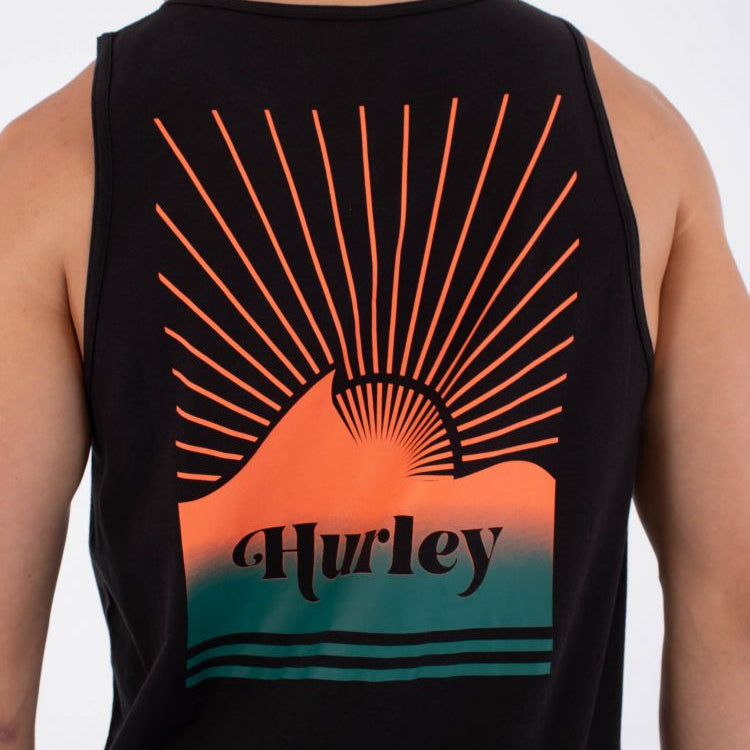
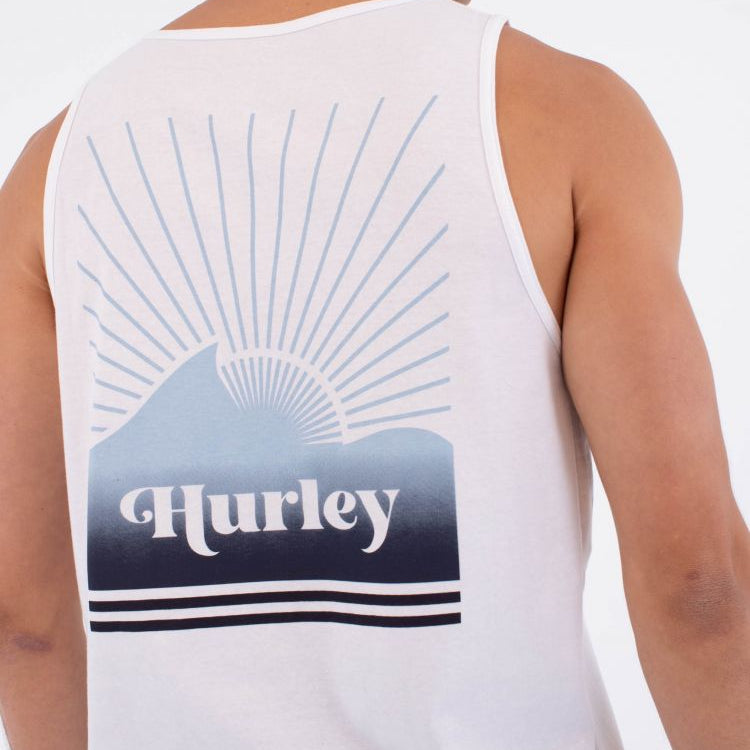
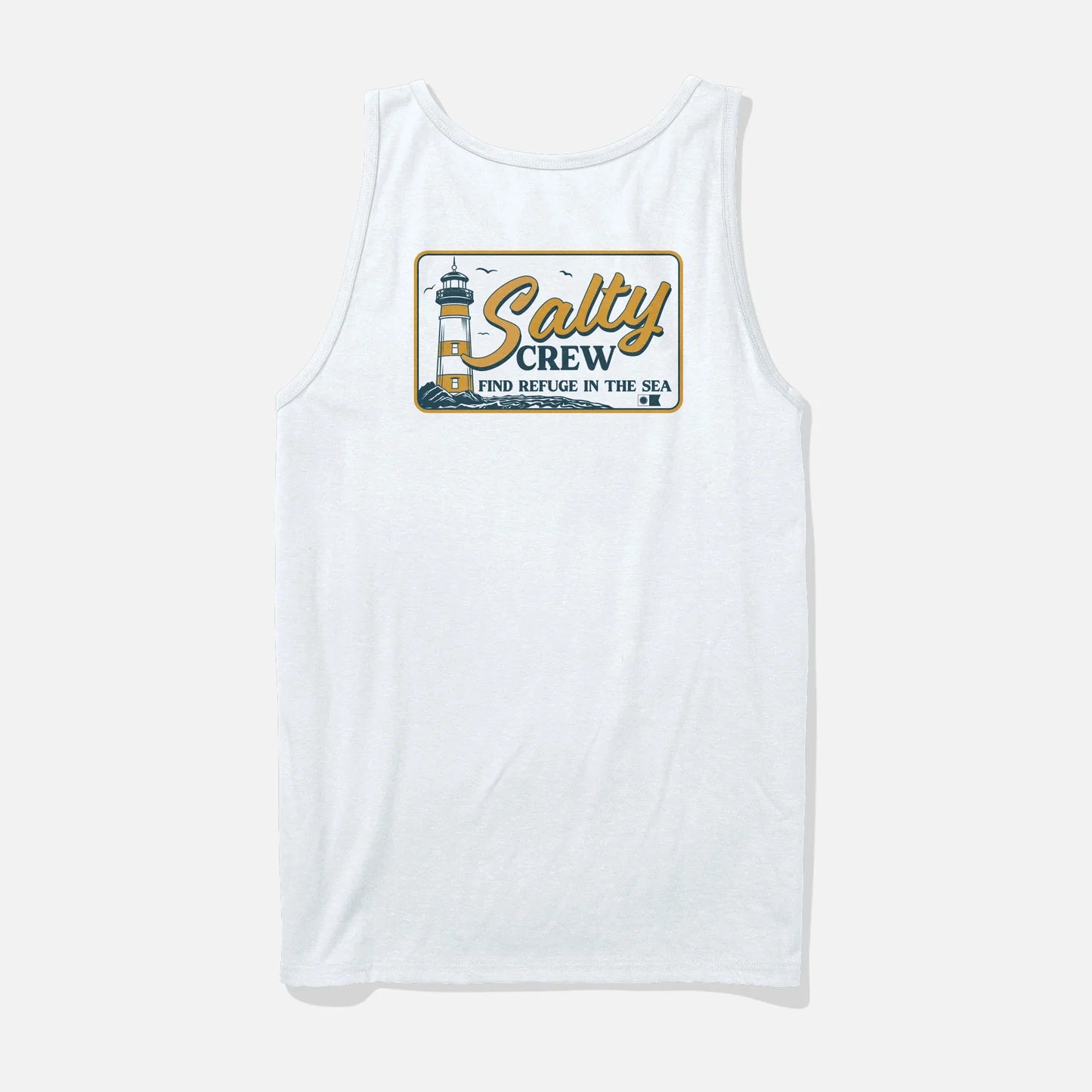
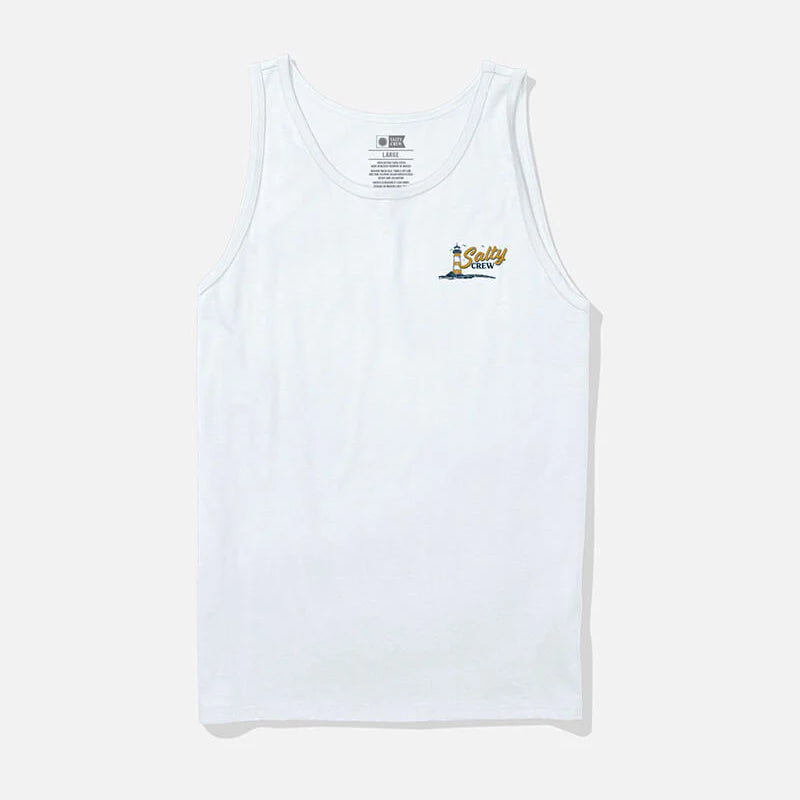
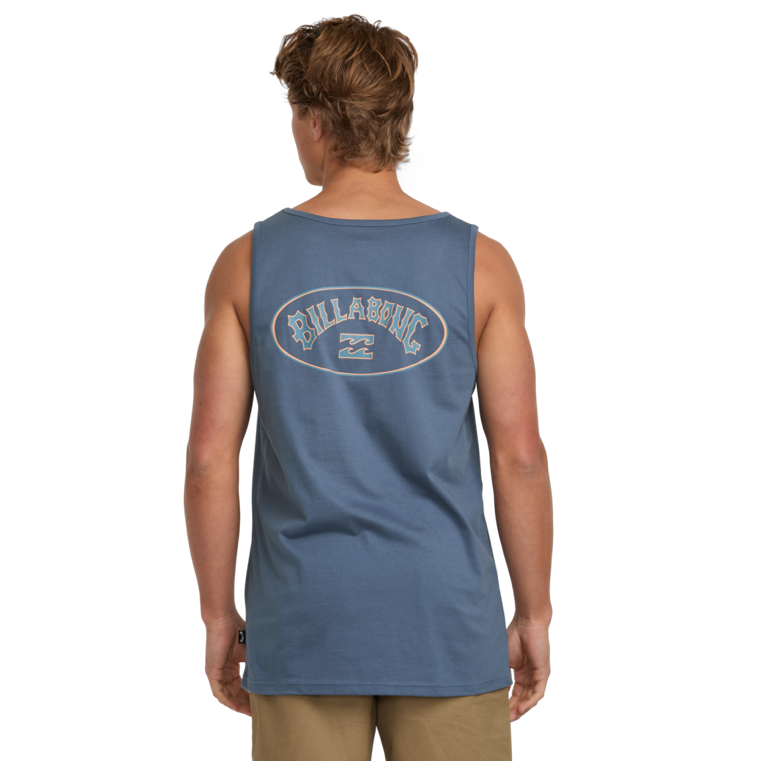
El estampado es otro aspecto importante.
Un buen diseño debe integrarse con el tejido sin perder flexibilidad.
Los estampados de calidad:
-
No se agrietan fácilmente.
-
Mantienen mejor el color.
-
Soportan numerosos lavados.
-
Conservan la definición del dibujo.
Por eso conviene seguir siempre las recomendaciones de lavado del fabricante.
Cómo comprobar una camiseta antes de comprarla
Existen varias comprobaciones muy sencillas que puedes realizar en pocos segundos.
Observa el tejido
Debe presentar un aspecto uniforme, sin irregularidades ni zonas transparentes inesperadas.
Revisa las costuras
Comprueba que sean rectas, limpias y sin hilos sobresalientes.
Examina el cuello
Debe recuperar fácilmente su forma cuando lo estiras ligeramente.
Toca el tejido
Busca un tacto agradable pero también cierta consistencia.
Una suavidad excesiva no siempre significa mayor calidad.
Comprueba el acabado general
Las mejores camisetas transmiten una sensación de equilibrio.
Nada parece improvisado.
Todo está cuidadosamente terminado.
¿Qué tejido elegir según el uso?
No existe una única respuesta.
Todo depende del uso que vayas a darle.
Para el día a día
El algodón de buena calidad sigue siendo una de las mejores opciones por su comodidad y transpirabilidad.
Para viajar
Las mezclas técnicas que secan rápidamente ofrecen una enorme ventaja.
Especialmente en destinos cálidos.
Para verano
Los tejidos ligeros con buena ventilación ayudan a mantener una sensación mucho más agradable durante todo el día.
Para actividades deportivas
Las fibras técnicas evacúan mejor la humedad y ofrecen mayor libertad de movimiento.
Cómo conseguir que una camiseta dure muchos años
Comprar una buena camiseta es solo el primer paso.
También conviene cuidarla correctamente.
Algunas recomendaciones sencillas son:
-
Lavarla siguiendo la temperatura indicada por el fabricante.
-
Dar la vuelta a la prenda antes de introducirla en la lavadora.
-
Evitar detergentes excesivamente agresivos.
-
No utilizar temperaturas demasiado altas.
-
Secarla preferiblemente al aire.
-
Evitar una exposición prolongada al sol durante el secado.
Estos pequeños hábitos ayudan a conservar tanto el tejido como el color durante mucho más tiempo.
Señales de que una camiseta merece la pena
Cuando una camiseta reúne varias de estas características suele tratarse de una buena compra.
-
Tejido uniforme.
-
Costuras limpias.
-
Cuello firme.
-
Buen ajuste.
-
Comodidad durante todo el día.
-
Buena transpirabilidad.
-
Estampados resistentes.
-
Materiales de calidad.
-
Buen comportamiento tras varios lavados.
No siempre será la más cara.
Pero sí suele ser la que mejor envejece con el paso del tiempo.
El precio no siempre refleja la calidad
Existe la idea de que una camiseta cara siempre será mejor.
La realidad es mucho más compleja.
Una parte del precio puede deberse al diseño, la distribución o el posicionamiento de la marca.
Lo verdaderamente importante sigue siendo observar la calidad de fabricación.
Una camiseta bien diseñada puede ofrecer muchos años de uso independientemente de que pertenezca a una colección muy conocida o no.

La calidad también es una forma de consumir mejor
Comprar menos prendas pero de mayor calidad ofrece numerosas ventajas.
-
Reducimos el consumo innecesario.
-
Disfrutamos de mayor comodidad.
-
Renovamos el armario con menos frecuencia.
-
Generamos menos residuos.
-
Aprovechamos mejor cada compra.
Es una filosofía que cada vez comparten más personas y que encaja perfectamente con un estilo de vida relajado, práctico y duradero.
Los errores más comunes al comprar una camiseta
Incluso quienes compran ropa con frecuencia suelen fijarse únicamente en el diseño o en el precio. Sin embargo, esos no son los factores que determinan si una camiseta seguirá siendo una buena compra dentro de dos años.
Estos son algunos de los errores más habituales.
Comprar solo por el estampado
Un diseño atractivo puede llamar la atención, pero si el tejido es de baja calidad o la confección no está cuidada, la camiseta perderá rápidamente su aspecto original.
La calidad siempre debe estar por encima de una moda pasajera.
Elegir una talla incorrecta
Muchas devoluciones de ropa online tienen un motivo muy sencillo: la talla.
Una camiseta demasiado ajustada resulta incómoda y limita el movimiento.
Una excesivamente grande pierde parte de la caída natural del tejido.
Consultar siempre la guía de tallas y revisar las medidas es la mejor forma de acertar.
Pensar únicamente en el precio
Una camiseta barata puede parecer una buena compra.
Pero si después de pocos lavados pierde el color, el cuello se deforma o aparecen bolitas, probablemente terminarás comprando otra mucho antes.
En muchas ocasiones resulta más rentable invertir una sola vez en una camiseta de buena calidad que sustituir varias prendas económicas cada temporada.
No leer la composición
La etiqueta ofrece mucha más información de la que parece.
Conocer los materiales ayuda a entender cómo se comportará la prenda.
También permite elegir la camiseta más adecuada según el clima, el uso o las preferencias personales.
Cómo combinar una camiseta de calidad
Una buena camiseta es una de las prendas más versátiles que existen.
Puede utilizarse prácticamente en cualquier situación durante el verano.
Para un día de playa
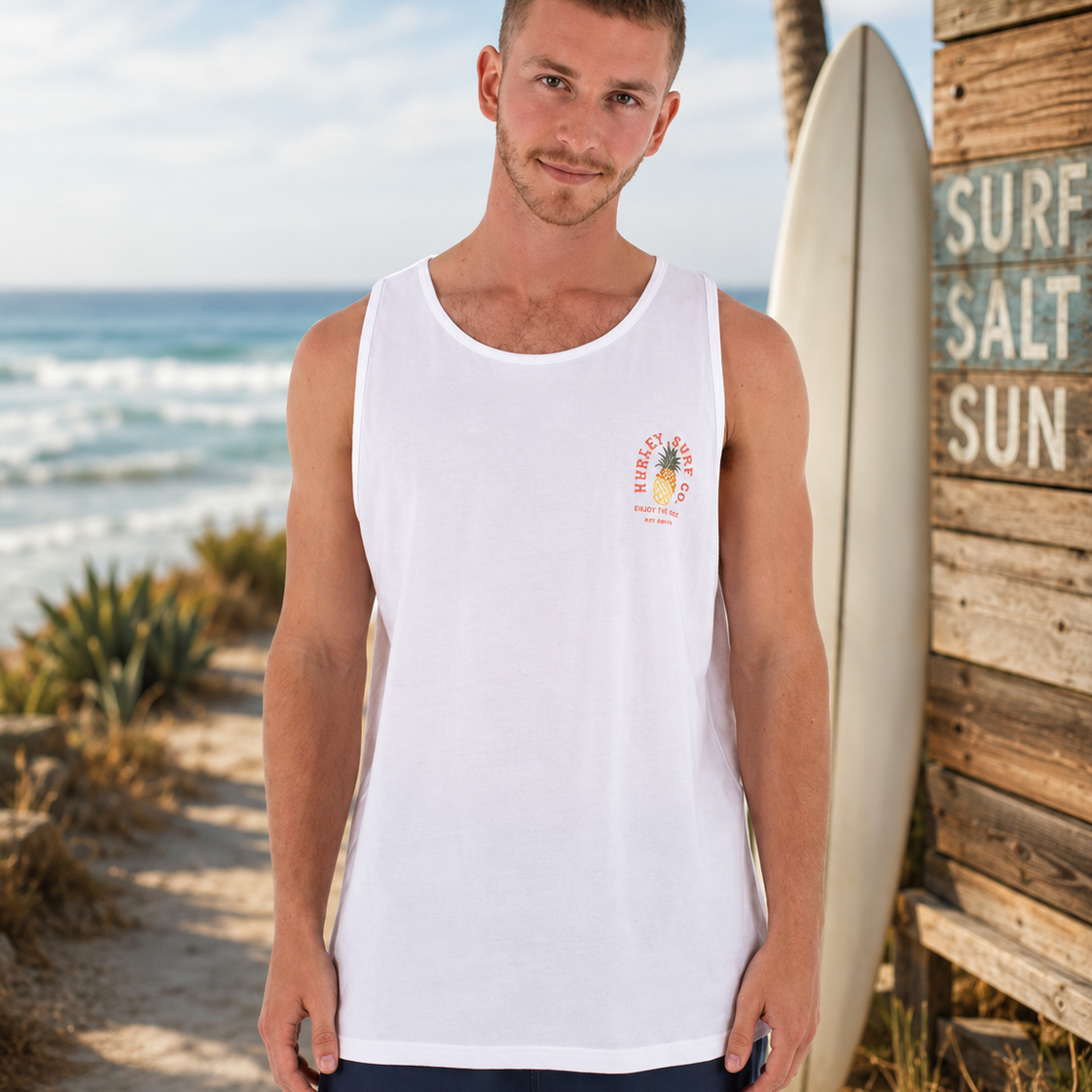
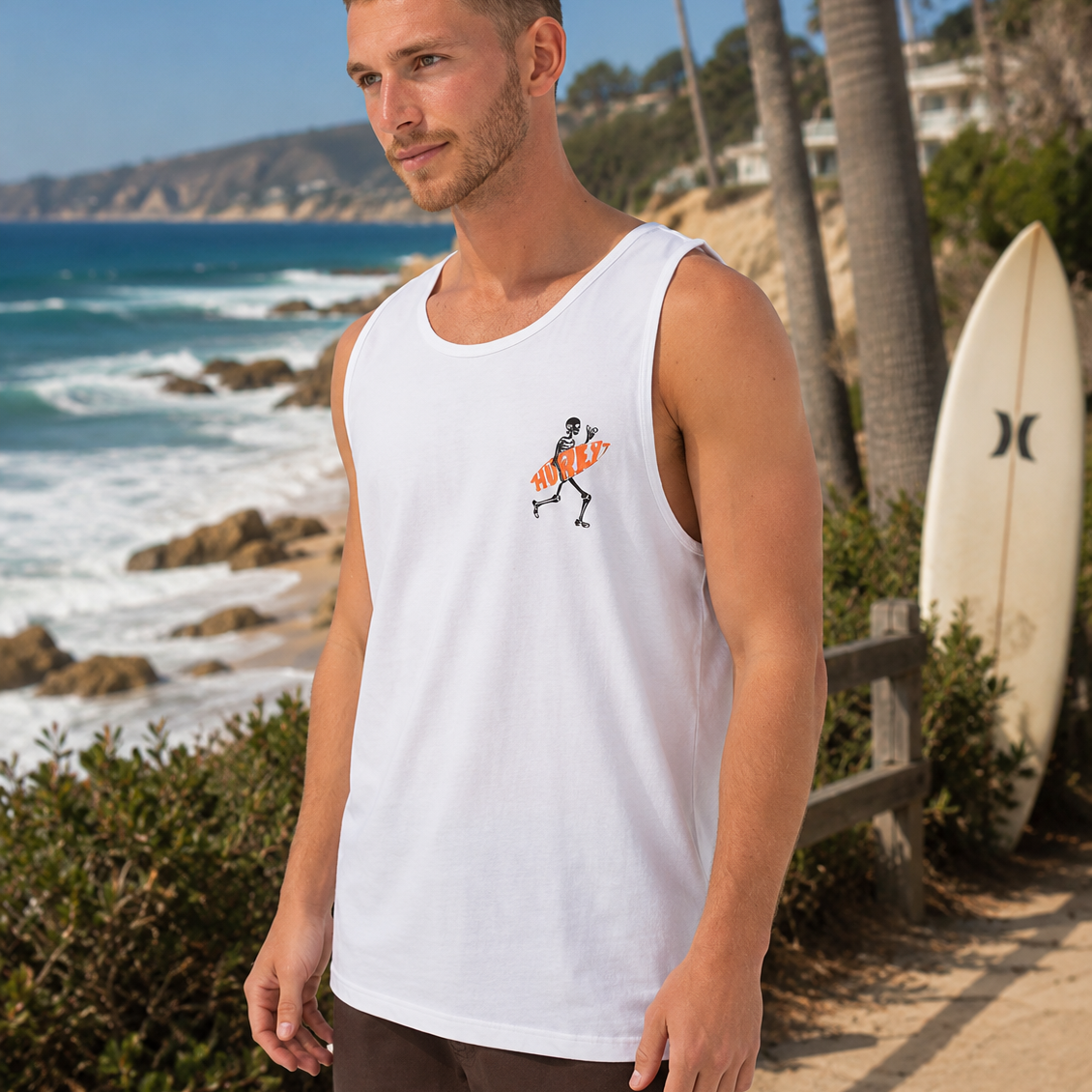
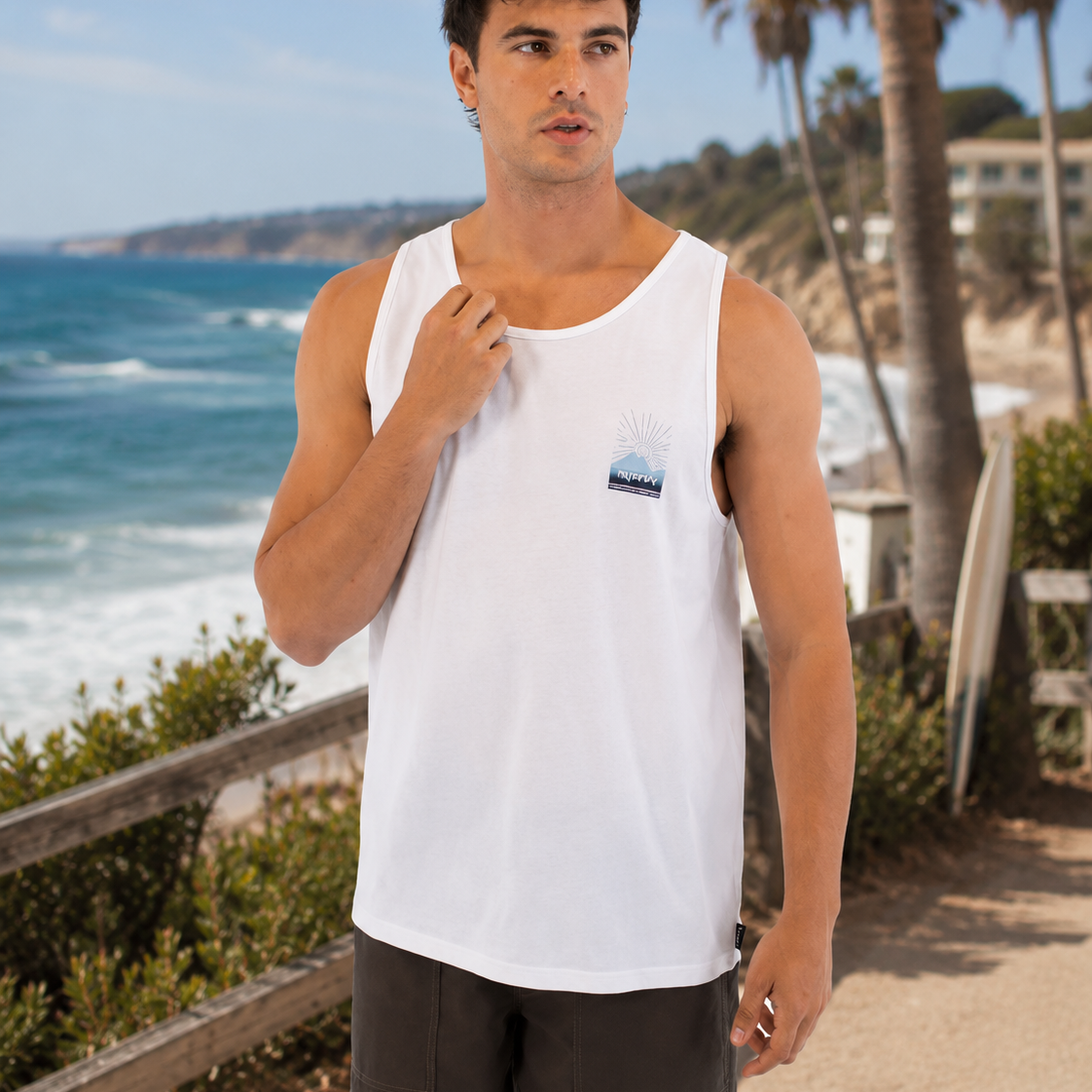
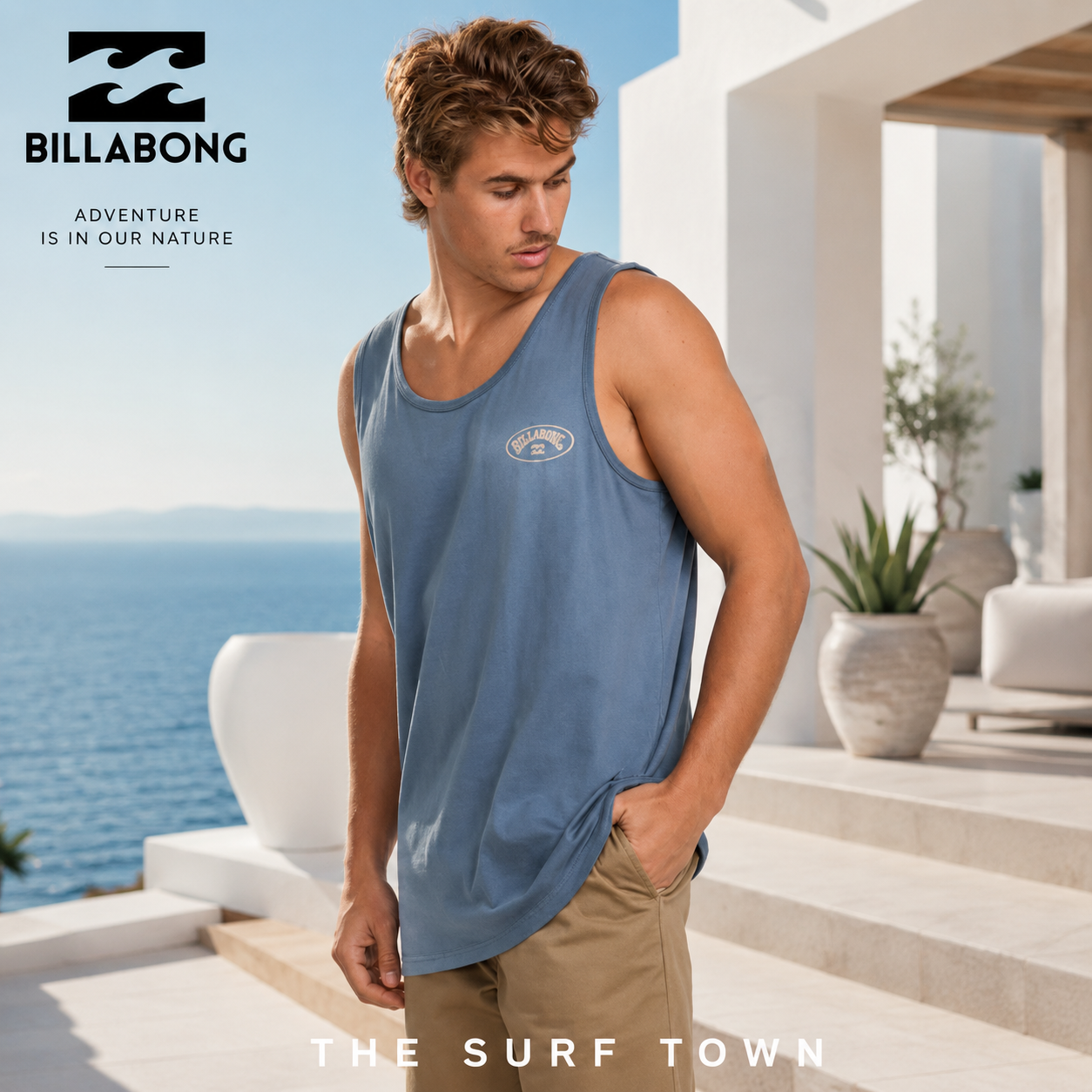
Una camiseta ligera combinada con unos boardshorts y unas chanclas crea un conjunto cómodo, fresco y preparado para acompañarte desde primera hora de la mañana hasta el atardecer.
Para un paseo por la ciudad
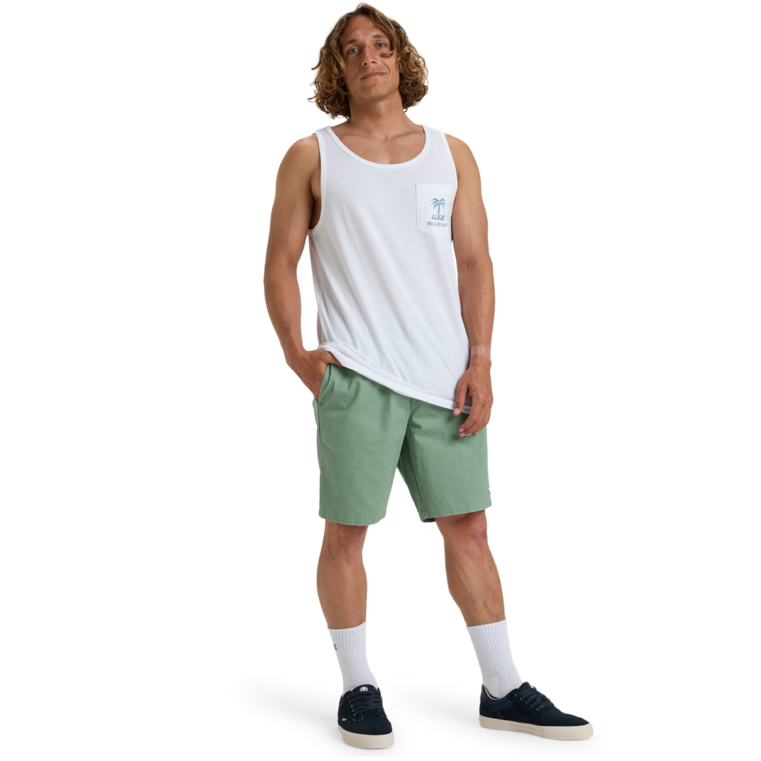
Basta con sustituir el bañador por unas bermudas y añadir unas zapatillas o unas sandalias para conseguir un look relajado pero cuidado.
Para viajar
Una camiseta de calidad ocupa poco espacio, combina con prácticamente todo y resulta cómoda durante vuelos, trayectos largos o jornadas completas de turismo.
Por eso suele convertirse en una de las prendas más utilizadas de toda la maleta.
Para las noches de verano
Añadiendo una camisa ligera abierta o una sudadera fina cuando refresca, la misma camiseta continúa funcionando perfectamente para una cena frente al mar o una terraza al aire libre.
Esa capacidad para adaptarse a diferentes situaciones es precisamente una de las grandes ventajas de apostar por prendas bien diseñadas.
Preguntas frecuentes
¿Qué gramaje es mejor para una camiseta de verano?
Generalmente entre 150 y 180 g/m² ofrece un excelente equilibrio entre ligereza, resistencia y comodidad.
¿El algodón orgánico es mejor?
Suele ofrecer una excelente calidad y un tacto muy agradable, aunque la durabilidad depende también del proceso de fabricación y de la confección de la prenda.
¿Cómo evitar que aparezcan bolitas?
Elegir tejidos de calidad, lavar la camiseta del revés, utilizar programas suaves y evitar temperaturas elevadas ayuda a reducir considerablemente su aparición.
¿Las camisetas técnicas sustituyen al algodón?
No.
Cada una tiene sus ventajas.
El algodón destaca por su comodidad en el uso diario, mientras que los tejidos técnicos resultan ideales para actividades deportivas, viajes o situaciones donde el secado rápido es importante.
¿Es normal que una camiseta encoja después del primer lavado?
Una ligera variación puede producirse dependiendo del tejido.
Sin embargo, una camiseta bien fabricada mantiene prácticamente su tamaño original siguiendo las instrucciones de lavado.
¿Qué tipo de cuello resulta más resistente?
Los cuellos reforzados y correctamente confeccionados suelen mantener mejor la forma con el paso del tiempo.
¿Cómo saber si una camiseta mantendrá el color?
Aunque no puede garantizarse al cien por cien, los tejidos bien teñidos, las marcas especializadas y unos buenos cuidados durante el lavado ayudan a conservar el color durante muchos años.
¿Cuántas camisetas de calidad necesita realmente un armario?
No existe una cifra exacta.
Muchas personas prefieren disponer de un número reducido de camisetas versátiles y bien fabricadas antes que un armario lleno de prendas que apenas utilizan.
Consejos rápidos antes de comprar una camiseta
✔ Comprueba la composición del tejido.
✔ Observa el cuello y las costuras.
✔ Revisa el acabado del estampado.
✔ Elige una talla adecuada.
✔ Piensa en cómo combinarás esa prenda con el resto de tu armario.
✔ Prioriza la comodidad y la calidad antes que las tendencias pasajeras.
✔ Sigue siempre las recomendaciones de lavado del fabricante.
✔ Compra prendas que realmente vayas a utilizar con frecuencia.
Lo más importante que debes recordar
Una camiseta de calidad no se reconoce únicamente por su diseño o por el logotipo que aparece en el pecho.
La verdadera diferencia está en el tejido, la confección, el patrón y la atención a los pequeños detalles que solo se aprecian con el uso.
Cuando eliges una buena camiseta obtienes mucho más que una prenda bonita. Consigues comodidad durante todo el día, mejor transpirabilidad, mayor resistencia al paso del tiempo y un armario mucho más versátil.
Al final, la mejor compra no es la camiseta más barata ni la más llamativa. Es aquella que, después de muchos lavados y muchos veranos, sigue siendo una de las primeras que eliges cada vez que abres el armario.