
This summer of 2025 is proving to be a challenge for the Mediterranean surfing community. And we're not just talking about the oppressive heat. What's truly concerning is the prolonged wave drought affecting the entire eastern coast of the peninsula, from Andalusia to Catalonia, including the Balearic Islands and the Valencian Community.
The sea, flatter than ever
By this time of summer, many of us would already be tanned from paddling out for dawn or sunset sessions. But this year, the Mediterranean looks like a mirror. We've barely had one or two days of minimally surfable conditions, and in most spots, not even that.
The reason? It's not just a matter of bad luck with the forecasts. We are witnessing a deeper phenomenon: the accelerated warming of the Mediterranean.
🌡️ An increasingly warmer sea
According to recent data from the Spanish Institute of Oceanography and other European meteorological agencies, the temperature of the Mediterranean Sea is reaching record levels. In some areas, it has already exceeded 30 °C at the surface, something completely anomalous for this time of year.
This warming has direct consequences for wave formation:
-
Atmospheric blocking: The increase in temperature intensifies the presence of high-pressure systems, hindering the entry of low-pressure systems that could generate swell.
-
Less wind: With such warm seas, the thermal contrasts that generate strong winds are reduced, especially in areas closer to the coast.
-
Changes in weather patterns: The classic behavior of the Mediterranean climate is being altered, causing phenomena like the "gota fría" (cold drop) to be delayed or even disappear.
⚠️ It's not just surfing: it's the ecosystem
The warming of the sea is also affecting marine fauna, causing species migrations, jellyfish proliferation, and imbalances in the seabed. Furthermore, this temperature increase accelerates water evaporation, generating more intense heatwaves on land and affecting the general climatic balance.
🌀 Will the waves return?
Medium-term forecasts are not very encouraging, but there's always room for a surprise in September. What's clear is that these kinds of summers could start to become the norm rather than the exception if global measures are not taken.
From our surfing community, we can:
-
Support marine environmental protection initiatives.
-
Consume responsibly.
-
Reduce our footprint in every small decision, including within surfing.
🏄 Meanwhile… we stay connected to the sea
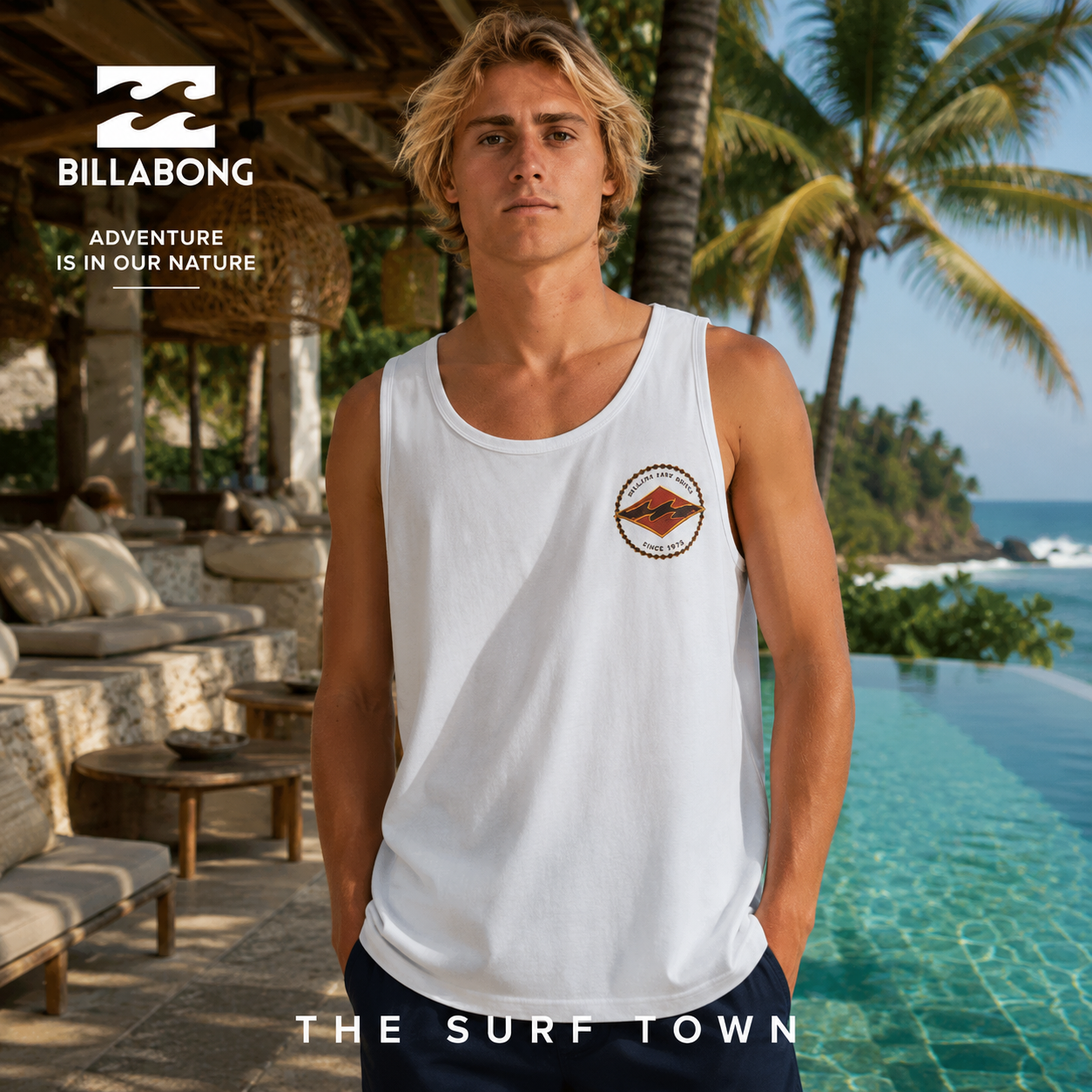
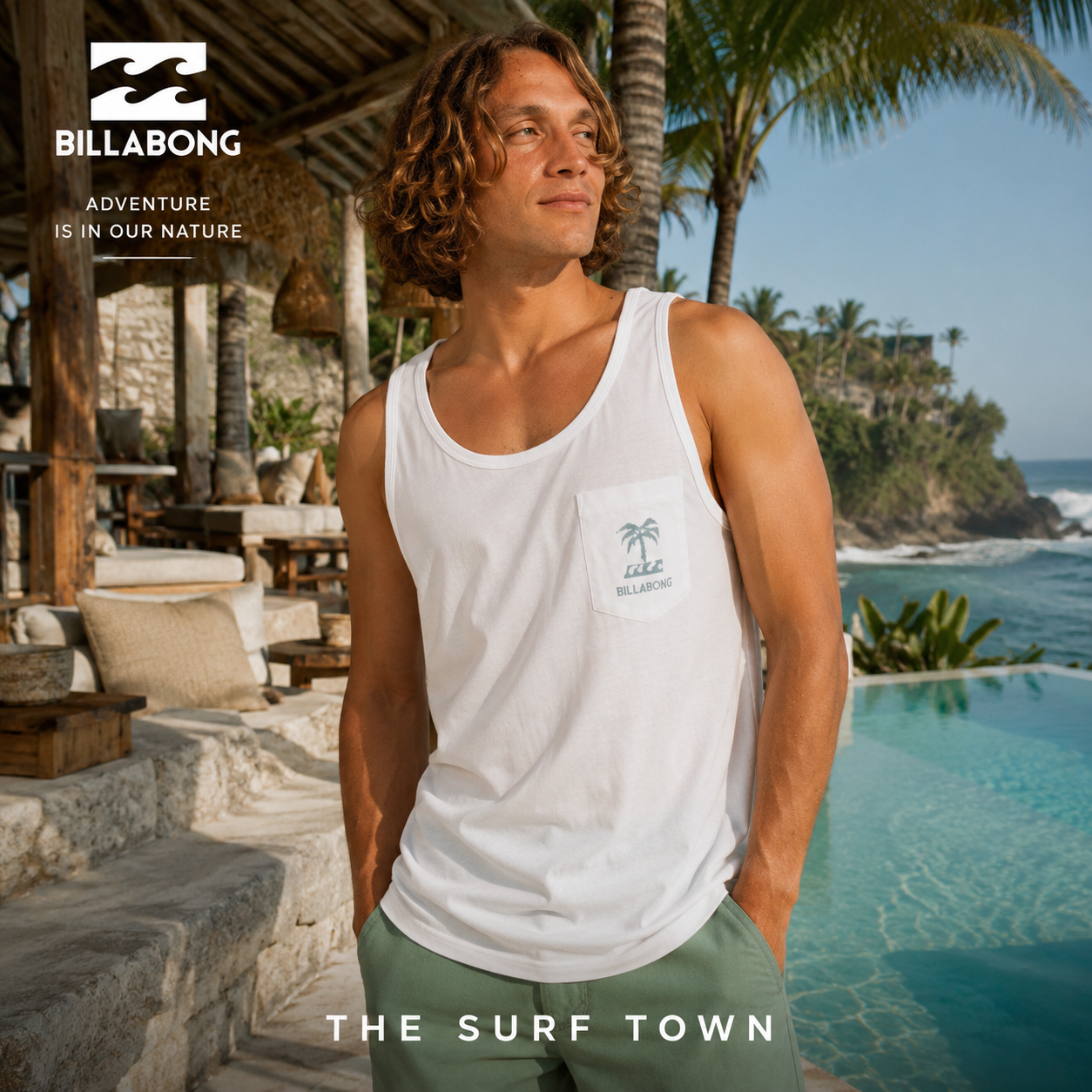
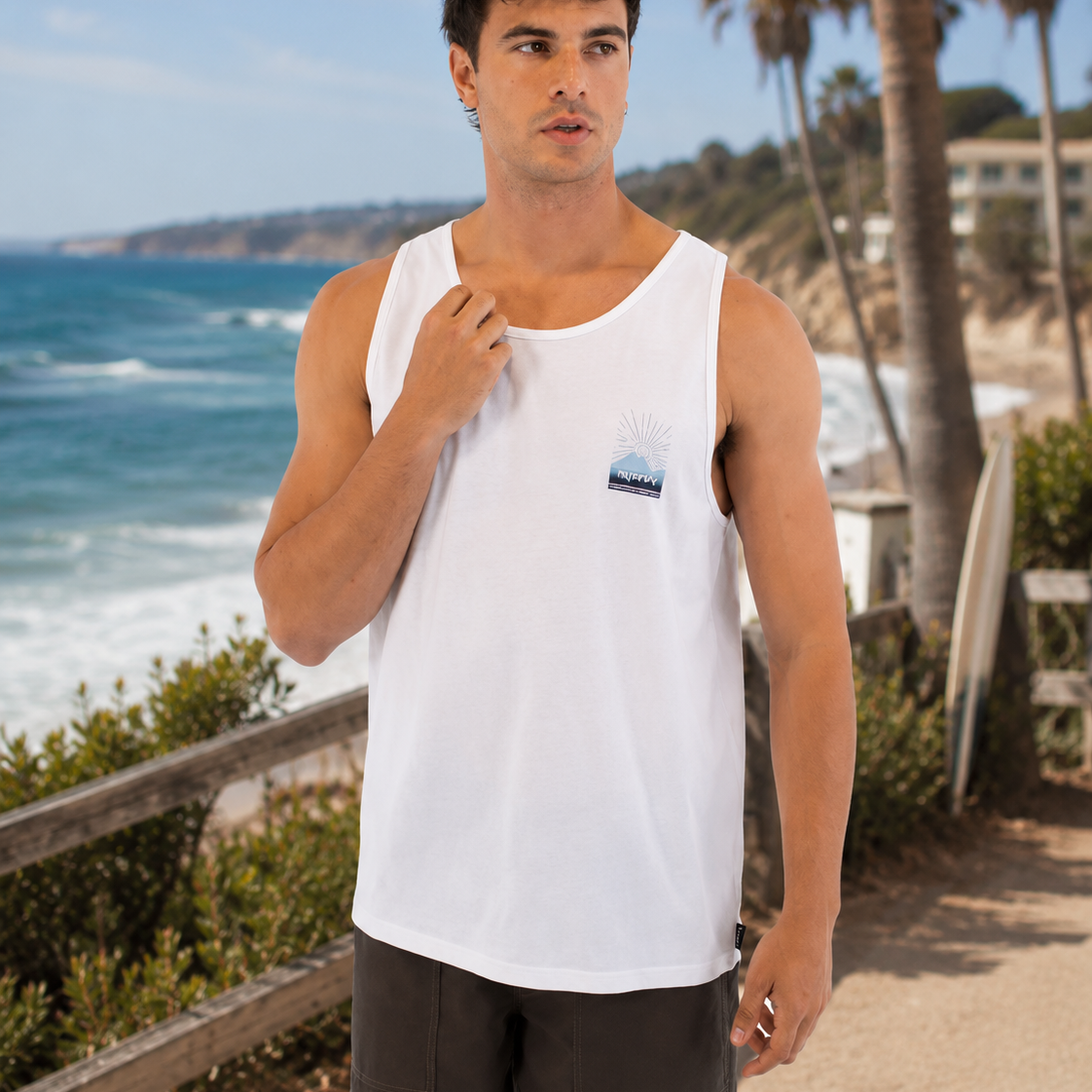
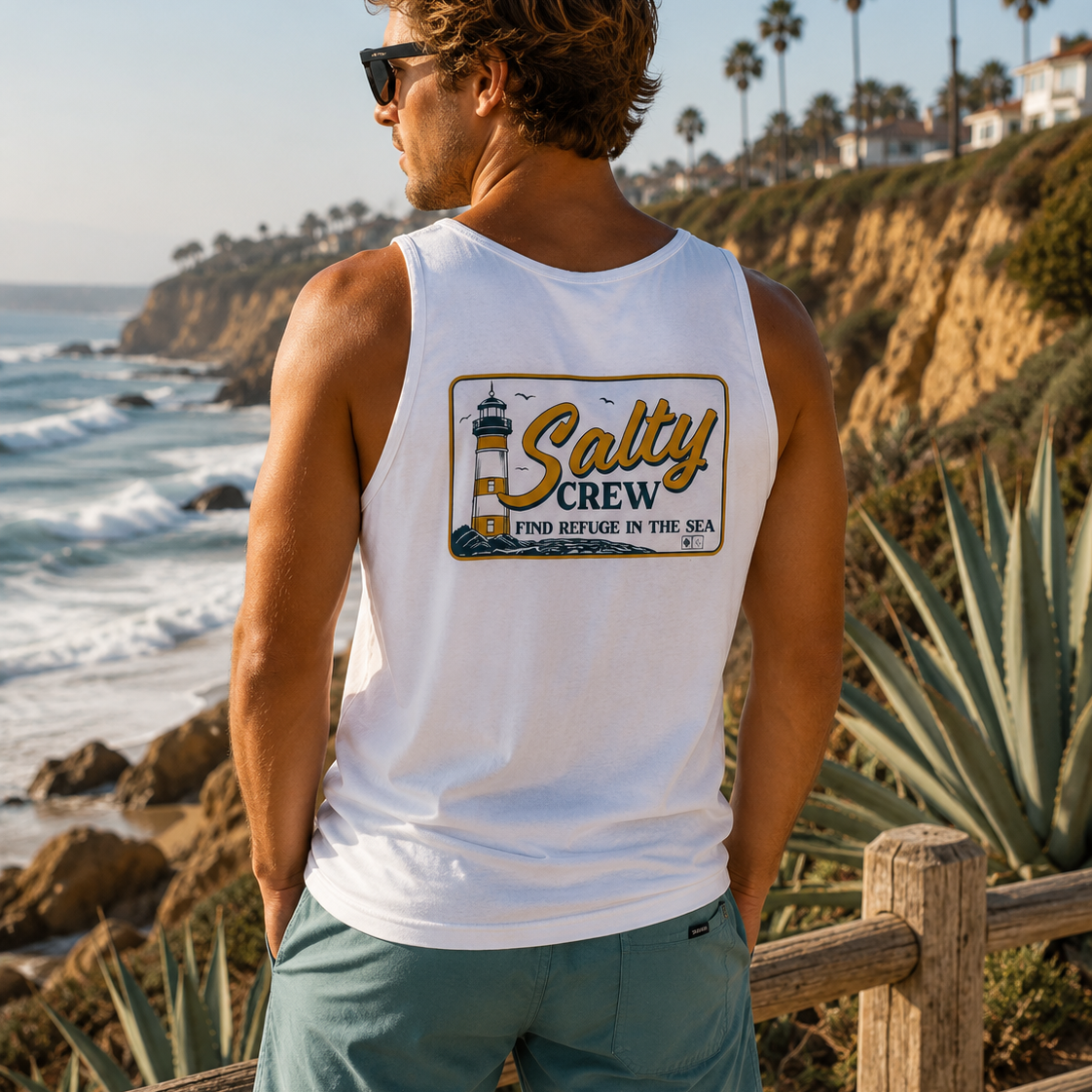
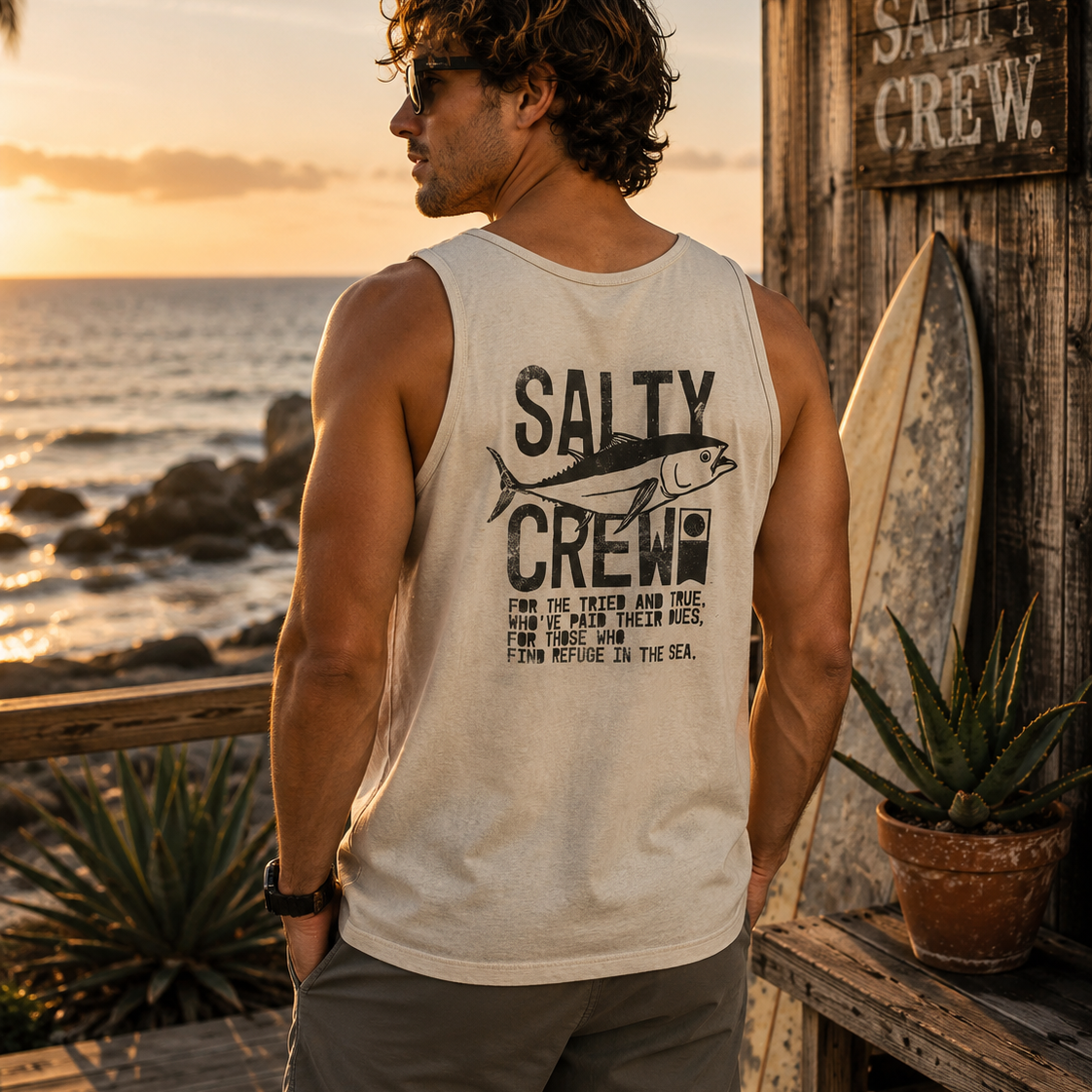
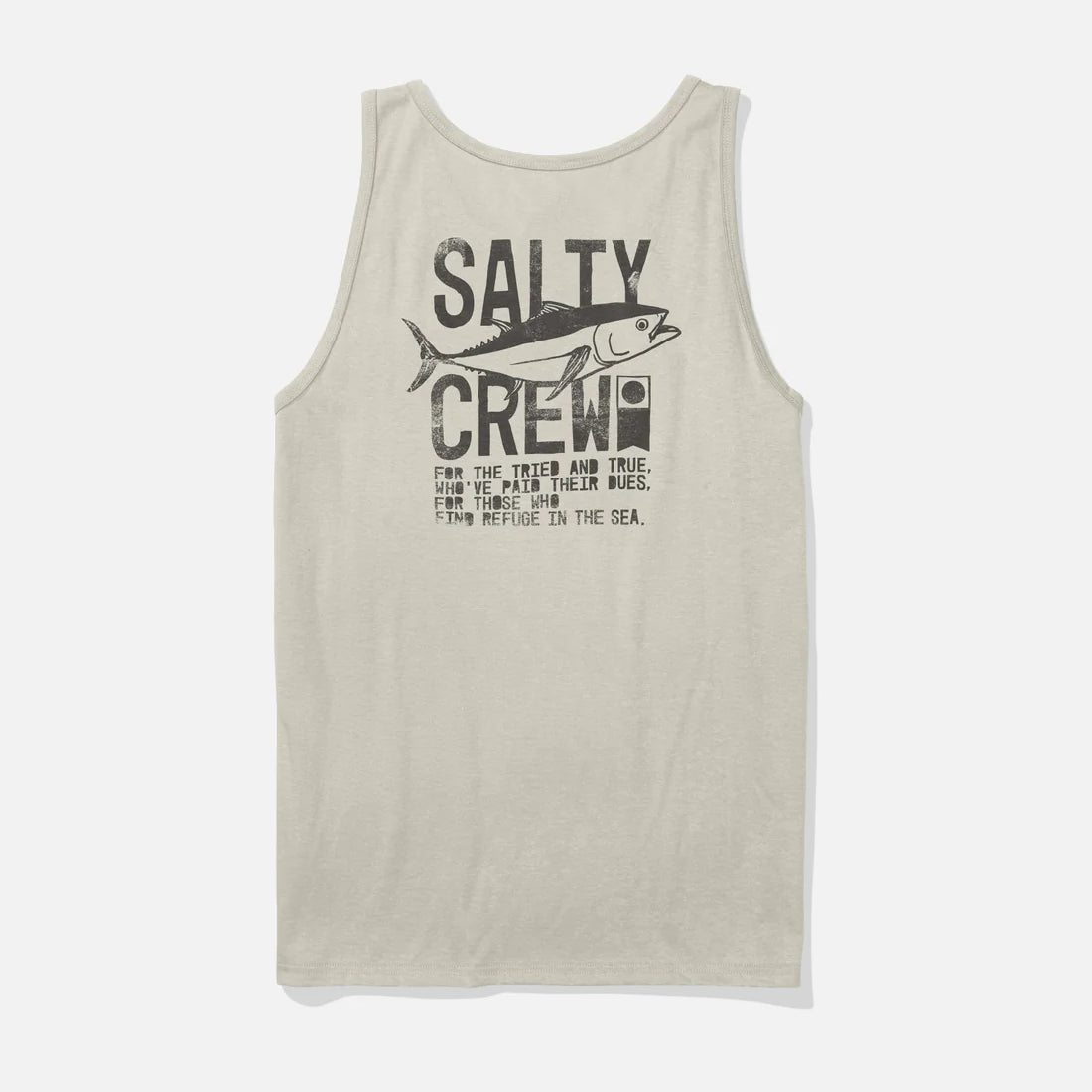
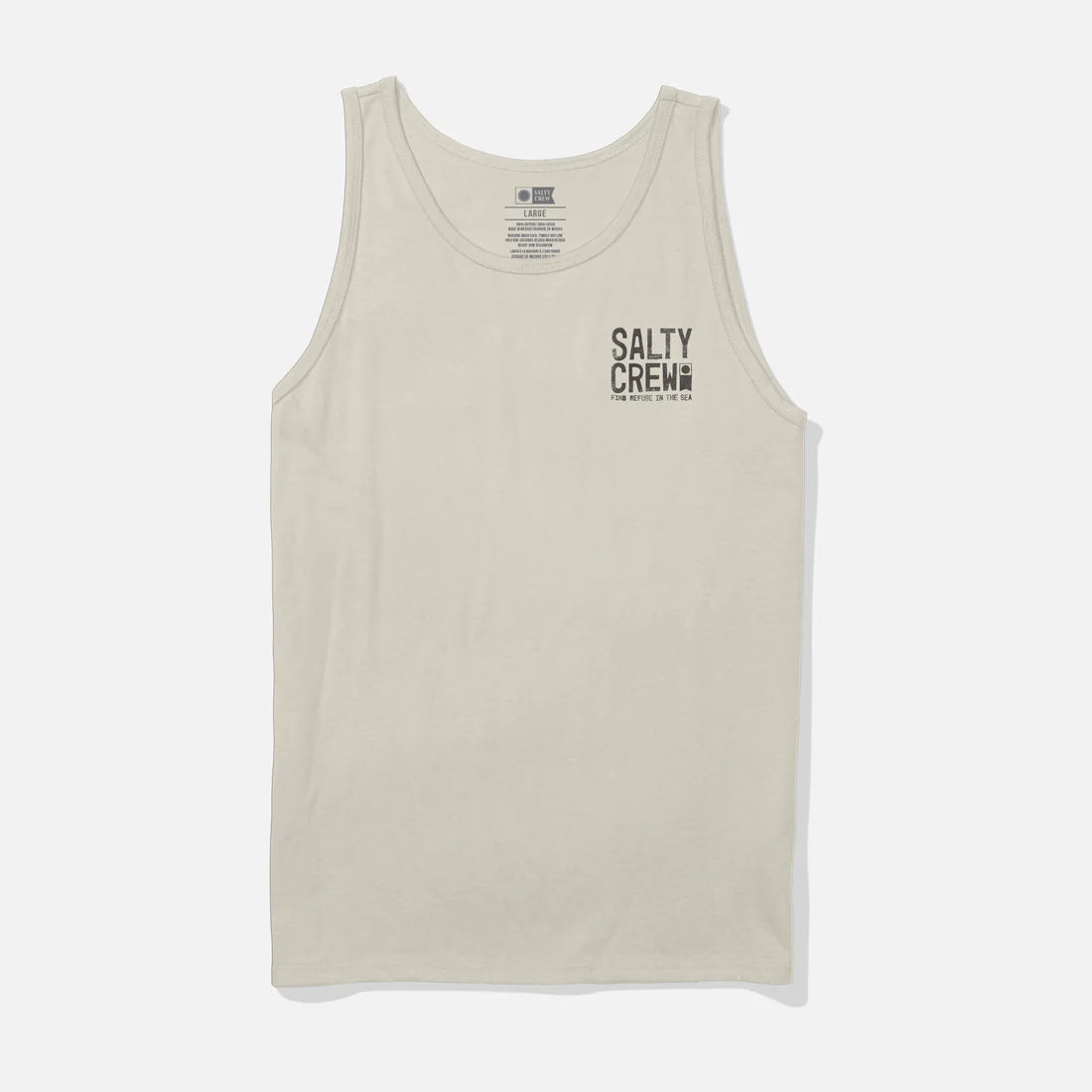
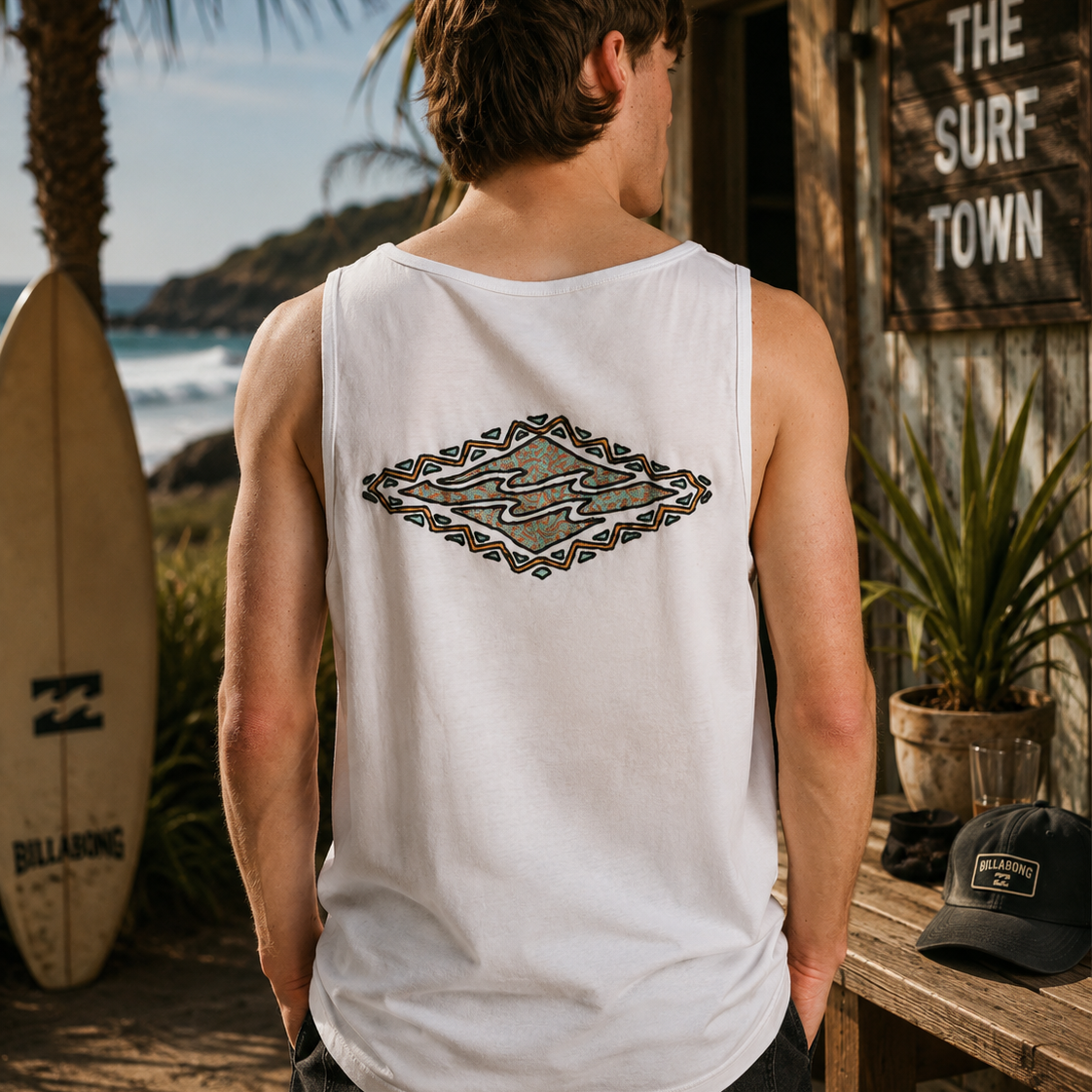
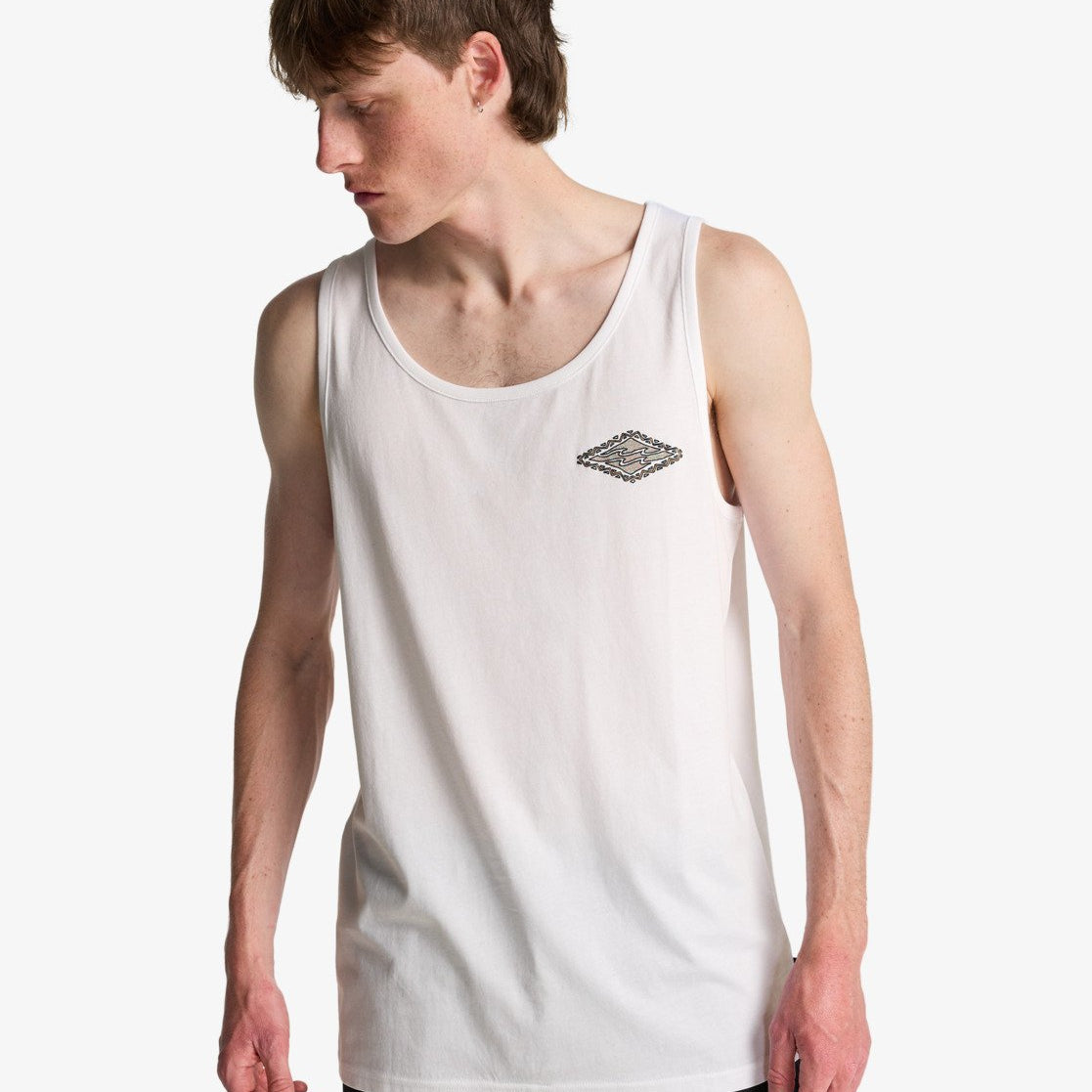
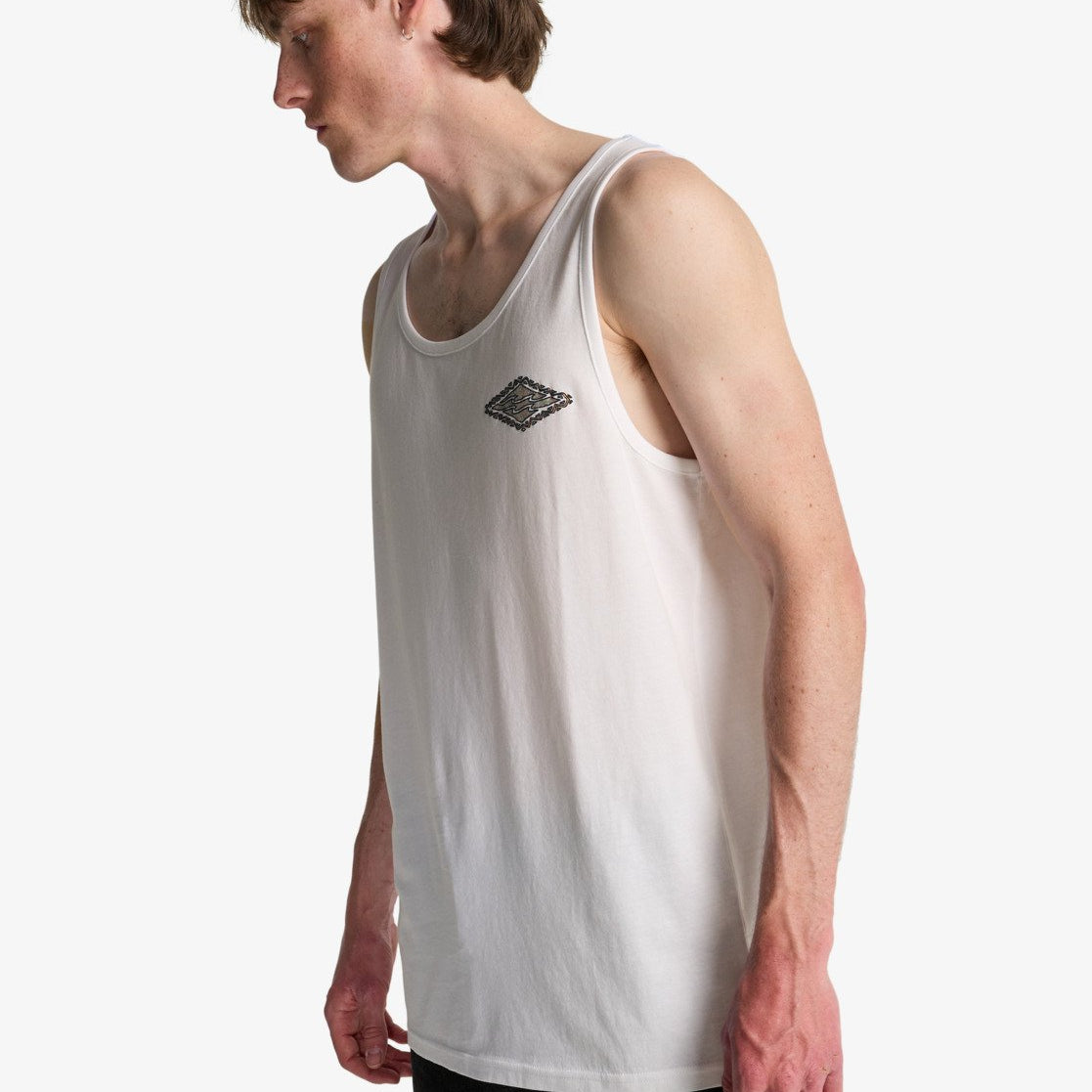
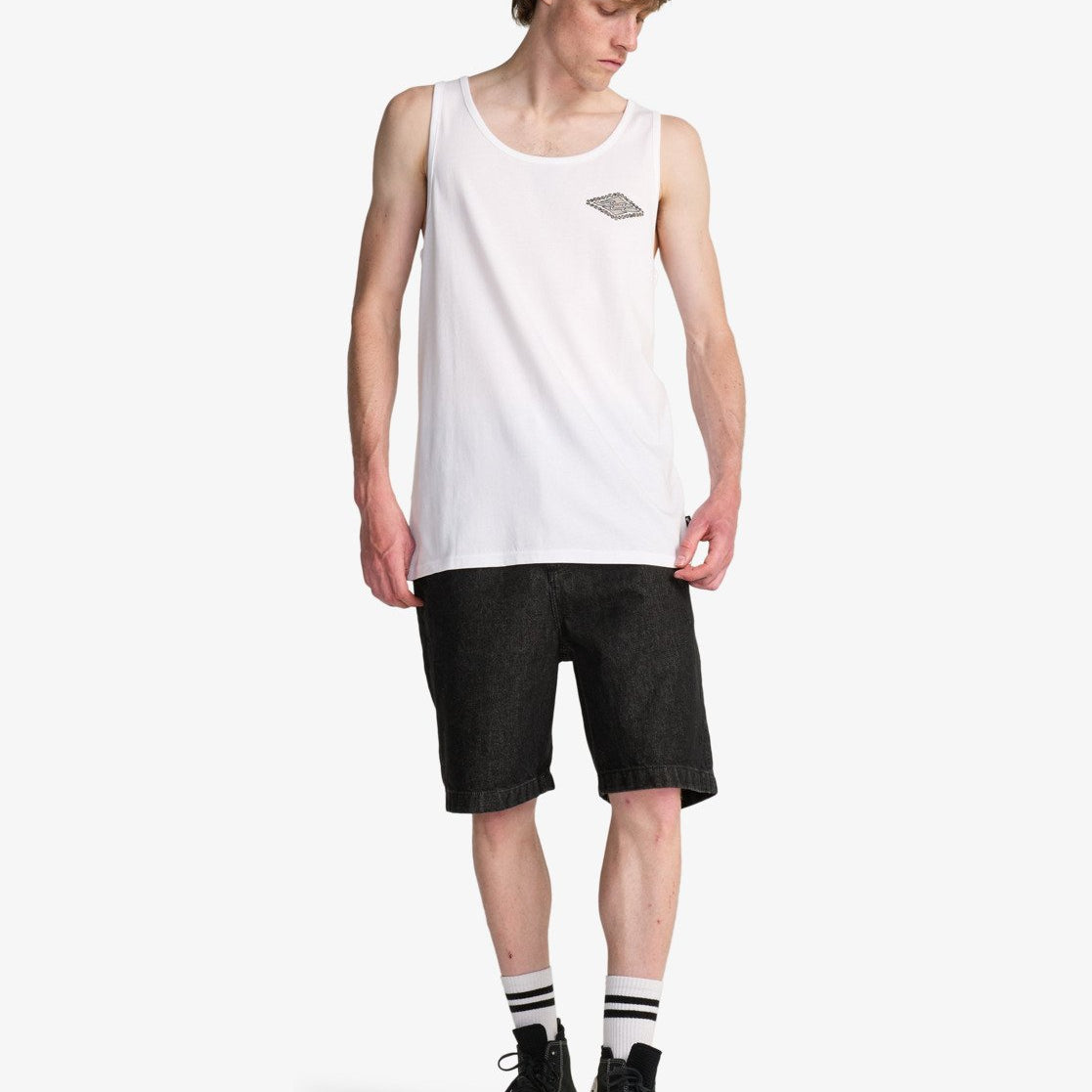
Although the swell is on pause, the surfing spirit does not stop. At The Surf Town, we continue to share wave reports, dryland training recommendations, and surf and fashion gear designed to keep the essence alive until the good sets return.
👉 Discover our new arrivals for this wave-less summer
And if you're thinking of a getaway to the Atlantic coast, remember we have everything you need to get geared up.
Is this wave drought affecting you? Tell us how you're experiencing it in the comments or on social media. The Mediterranean surfing community supports each other more than ever!
🌊 Summer without waves in the Mediterranean: swell cold, extreme water heat
This summer of 2025 has resulted in a perfect autopsy: a completely flat sea off the Mediterranean coast and, at the same time, record water temperatures.
🧊 The Mediterranean as a sauna: key data
-
In June, the average sea temperature reached 23.86°C, breaking the previous record and leaving a good part of the Mediterranean Sea between 1°C and 2°C above average. In the west, some areas even reached anomalies of +3 to +6°C compared to historical values (1982–2023) Mercator Ocean International+11Severe Weather Europe+11The Watchers+11Mercator Ocean International+1.
-
A 62% of the Mediterranean's surface was under a marine heatwave classified as strong or higher, the highest extent ever recorded Mercator Ocean International+1.
-
This thermal anomaly has generated stable atmospheric conditions, strengthening high-pressure systems and blocking any incoming low-pressure systems that would generate swell and surfable waves Severe Weather EuropeReuters.
The graphs above show anomaly maps and extreme heat distribution in areas such as the Balearic Sea, Tyrrhenian Sea, and Ligurian Sea.
What does this heat mean for surfing?
-
With water temperatures at almost 26°C on average in some areas, the thermal contrast with the air decreases, reducing local winds and the generation of local waves.
-
The lack of external low-pressure systems translates into a season without oceanic swell; the anticyclonic systems that accompany warm waves also inhibit the development of any significant swell.
-
In short: more heat, less movement in the sea. A warm and spacious sea, but without the power to break.
⚠️ Ecological impacts beyond surfing
-
The Mediterranean is warming at approximately 0.4°C per decade, a rate that doubles the global ocean average. Since the 1980s, the sea has already risen by more than 1.3°C on average The Watchers+9ospo.noaa.gov+9info-rac.org+9climateforesight.eu+1.
-
Ecosystems such as Posidonia meadows, mussel banks, reefs, and plankton are under thermal stress, with risks of mass mortality, reproductive alterations, and species migrations en.wikipedia.org+1.
-
Even large species such as Mediterranean devil rays have suffered mass strandings attributed to disorientation from extreme temperatures thetimes.co.uk.
🌦️ The vicious cycle of heat
This sea heat also increases air humidity, raising dew points. This means more energy available for intense storms and extreme rainfall events in autumn, even after a prolonged drought Severe Weather Europeclimateforesight.eu.
Furthermore, summer 2025 in Europe was one of the hottest ever recorded, with extreme heatwaves, massive wildfires, and thousands of heat-related deaths—a climatic context also reflected in sea temperatures AP NewsThe Guardiancarbonbrief.org.
🏄 Final reflections: How long will we continue like this?
If these wave-less summers become the new normal, the Mediterranean surfing horizon could change forever. From our community, we can:
-
Support marine protection and reduce our climate footprint.
-
Adapt our habits and promote responsible consumption.
-
Stay alert for wave forecasts and take advantage of any occasional access to swell with solidarity and respect.
🏋️♂️🌿 No waves? No excuse: how to stay in shape (and connected) when the sea is calm
Even if swell is absent, the surfing spirit lives on. This can be a perfect time to train body and mind, improve technique out of the water, or even discover new passions that complement your life around the sea. Here are some recommendations:
1. Surfskate: surfing the asphalt
Mimics real surf maneuvers and improves your balance, style, and coordination. Perfect for practicing turns, carving, and posture. Many pros use it in their training.
📍 Tip: look for spots with a gentle slope and smooth ground. And don't forget your helmet!
2. Functional training for surfers
Work on strength, stability, and mobility with routines that simulate surfing movements:
-
Push-ups, burpees, rowing with resistance bands
-
Core work (planks, Russian twists, mountain climbers)
-
Hip, shoulder, and ankle mobility
🎥 On YouTube, there are hundreds of specific routines for surfers. You can also try apps like Surf Athlete or Carver Training.
3. Apnea and conscious breathing
Surfing isn't just physical: knowing how to control your breathing under pressure is key. Take advantage to train:
-
Diaphragmatic breathing (with Wim Hof method or CO2 tables)
-
Dry apnea exercises (static, dynamic)
-
Relaxation and visualization before a session
🧘 Combine with meditation or yoga for greater mental control.
4. Paddle Surfing (SUP) or snorkeling
If the sea is flat, it's still a natural gym. SUP strengthens the whole body and improves balance, while snorkeling connects you with marine life.
🐢 It's an ideal time to rediscover your spot from under the water.
5. Yoga and mobility for surfers
Keys to preventing injuries and improving your flexibility, breathing, and body awareness. Try styles like:
-
Vinyasa or Hatha yoga if you're looking for fluidity
-
Yin yoga for deep stretching and tension release
-
Animal flow mobility or primal movement for more active surfers
🙏 A daily 20-minute ritual can change your surfing forever.
6. Equipment maintenance
How long has it been since you thoroughly checked your quiver? This break can be ideal for:
-
Cleaning and repairing boards
-
Changing leashes, fins, or wax
-
Organizing your gear and checking your wetsuit
7. Training, reading, and video analysis
Study surfing from another perspective: technique, history, culture.
-
Read books like Barbarian Days, Let My People Go Surfing or Surf Science
-
Analyze pro videos and visually work on your technique
-
Take time to create your personal improvement plan for the fall
8. Express trips or surfcamps
If you have the possibility, plan a getaway to the Atlantic (Portugal, Cantabria, Morocco…). A couple of days with good waves can reactivate you completely.
🌍 If you can't travel, join an online or intensive weekend surfcamp.
Bonus: Don't lose motivation
Share your progress, join a local community, train in a group, or simply stay close to the ocean, even if it's just to float or swim. The sea always returns.